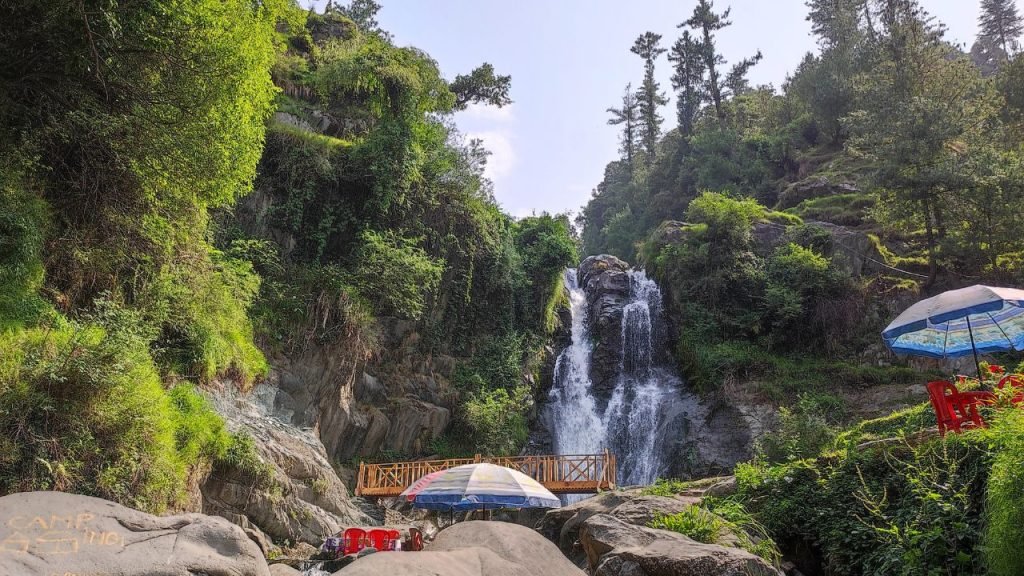
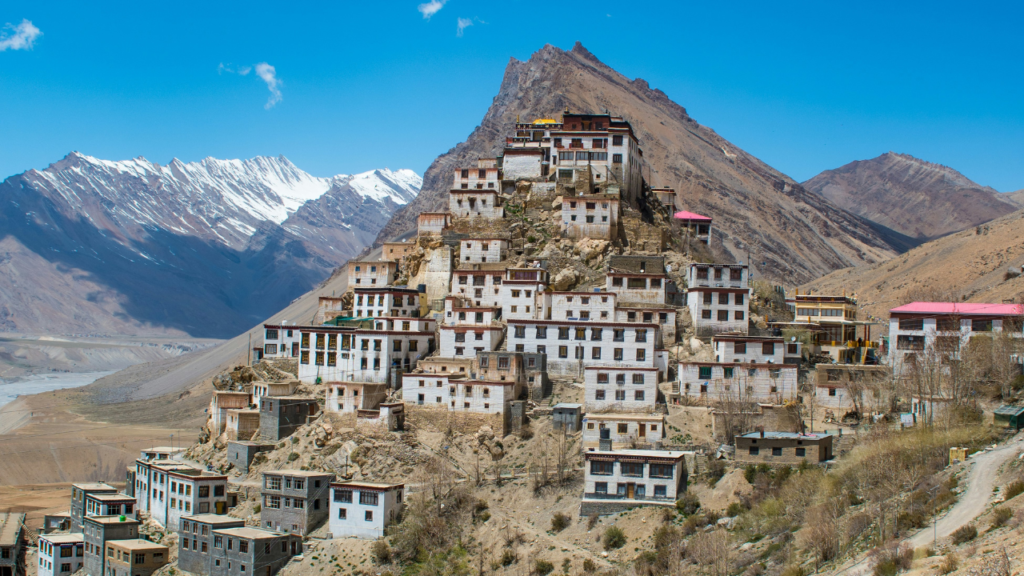
Tirthan Valley is a peaceful Himalayan valley in Kullu district, Himachal Pradesh, known for its clear rivers, dense forests, traditional villages, trout fishing, waterfalls, and access to the Great Himalayan National Park (GHNP). Unlike the busier tourist centres of Manali and Kasol, the valley is better suited to travelers looking for nature, village life, trekking, and a quieter mountain experience.
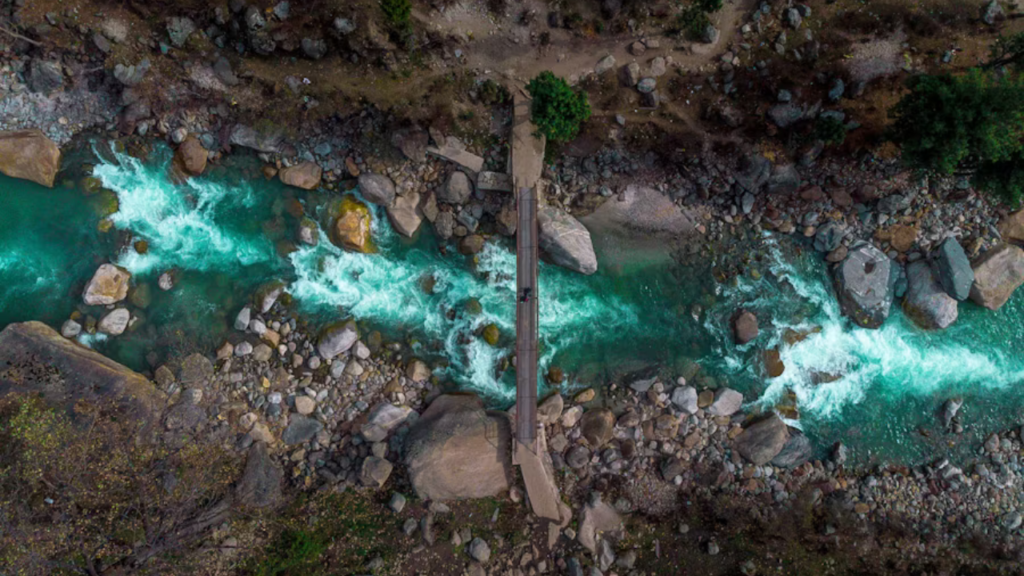
The valley gets its name from the Tirthan River, which flows through the region before joining the Beas River near Larji. Gushaini is one of the main settlements and a popular base for exploring the valley.
Altitude:Varies across the valley and surrounding mountain areas.
Distance from Aut: Approximately 30 km
Distance from Kullu: Approximately 60 km
Distance from Manali: Approximately 90–100 km by road
Nearest Airport: Kullu–Manali Airport, Bhuntar
Main Gateway: Gushaini
Best Time to Visit Tirthan Valley
The best time to visit Tirthan Valley depends on the experience you want. March to June is generally ideal for pleasant weather, greenery, hiking, village exploration, and enjoying the river, while September to November offers clearer skies, crisp weather, and beautiful autumn scenery. July and August bring monsoon rainfall, which makes the valley lush but can also cause slippery trails and occasional road disruptions. December to February is colder and quieter, with occasional snowfall in higher areas, but winter conditions can affect access to remote villages and trekking routes.
Gushaini is one of the main settlements in Tirthan Valley and a popular base for exploring the surrounding forests, villages, river, and trekking routes.
Great Himalayan National Park
The Great Himalayan National Park, a UNESCO World Heritage Site, is one of the region’s biggest attractions. It protects a large area of Himalayan ecosystems and is home to diverse flora and fauna.
Jalori Pass
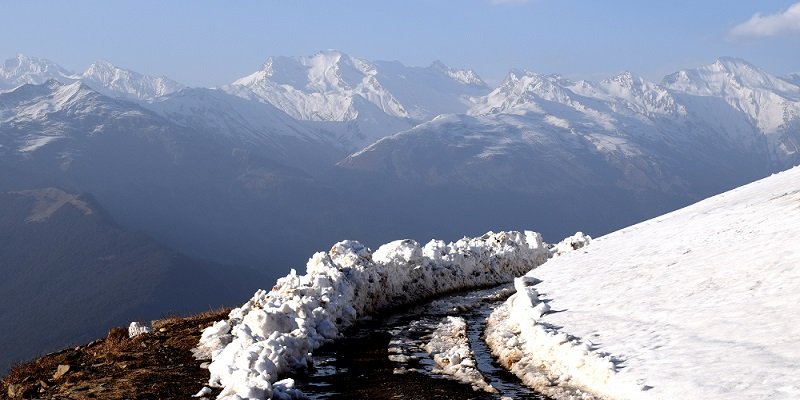
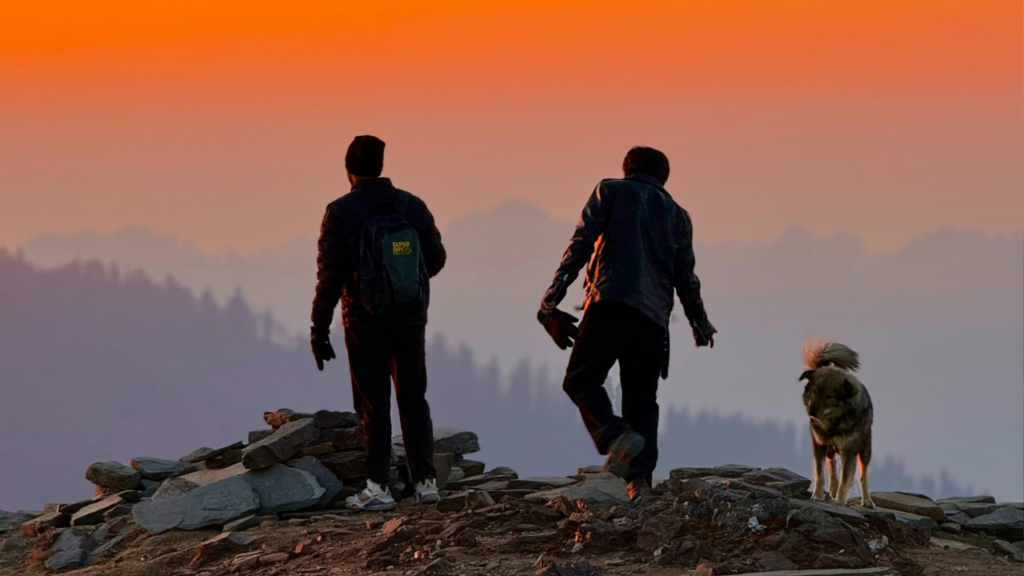
Located outside the immediate valley, Jalori Pass is a popular mountain destination accessible from the Tirthan region. It offers forested landscapes and access to several trekking routes.
Serolsar Lake
Located near Jalori Pass, Serolsar Lake is a peaceful high-altitude lake reached by a forest trail. The trek from Jalori Pass is one of the popular short hikes in the region.
Jibhi
Jibhi is a nearby mountain destination known for its traditional wooden architecture, forested surroundings, waterfalls, cafés, and peaceful atmosphere.
Shringi Rishi Temple
Located near Banjar, this ancient temple is dedicated to Shringi Rishi and is an important religious site in the surrounding region.
Things to Do in Tirthan Valley
Tirthan Valley is ideal for nature walks, trekking, fishing, birdwatching, photography, village exploration, camping, and relaxing beside the river. Visitors can explore traditional villages, walk through forest trails, enjoy the Tirthan River, and use the valley as a base for exploring the Great Himalayan National Park.
How to Reach Tirthan Valley ?
From Aut
Aut → Larji → Banjar → Gushaini
Aut is the main road connection from the Mandi–Kullu highway toward Tirthan Valley.
From Kullu
Kullu → Larji → Banjar → Gushaini
The journey follows the road toward Banjar before entering the Tirthan Valley.
From Manali
Manali → Kullu → Larji → Banjar → Gushaini
Tirthan Valley is approximately 90–100 km from Manali, depending on the destination within the valley.
Tirthan Valley retains a strong Himachali village culture, with traditional wooden houses, local temples, agriculture, livestock, and community festivals forming an important part of daily life.
Local religious traditions are closely connected with village deities and temples. Nati, the traditional folk dance of Himachal Pradesh, is commonly performed during festivals and celebrations.
Weather in Tirthan Valley
Spring
8°C to 22°C
Summer
15°C to 28°C
Monsoon
15°C to 25°C
Autumn
8°C to 22°C
Winter
0°C to 15°C
Unique Facts About Tirthan Valley
Gateway to the Great Himalayan National Park
Tirthan Valley is one of the important access areas for exploring the Great Himalayan National Park, a UNESCO World Heritage Site.
Famous for Brown Trout
The Tirthan River is known for brown trout, attracting anglers from different parts of India. Fishing is regulated and requires the appropriate permit.
A Relatively Low-Commercialized Himalayan Destination
Compared with Manali and some other popular Himachal destinations, many parts of Tirthan retain a quieter atmosphere, with homestays, village trails, forests, and river-side stays.
Traditional Village Life
Agriculture, horticulture, livestock, temples, and local festivals continue to play an important role in the valley’s communities.
The Landscape Changes With Altitude
The lower valley has forests, rivers, orchards, and villages, while higher areas transition into alpine landscapes and protected mountain ecosystems.
Where to Find Snow in Tirthan Valley ?
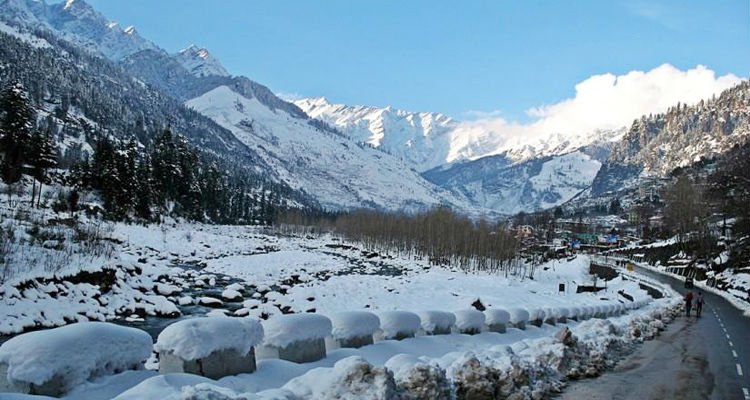
Snowfall is not consistent in the lower valley, where places such as Gushaini generally remain accessible during much of winter. Higher areas and mountain trails around the valley can receive snowfall, particularly from December to February.
If snow is your primary reason for visiting, check current conditions rather than relying on fixed dates, as snowfall varies considerably from year to year.
Nearby Places to Visit
Pekhri
A peaceful village and important access point toward parts of the Great Himalayan National Park, surrounded by forests and traditional mountain landscapes.
Shoja
A small forested mountain settlement near Jalori Pass, known for its peaceful surroundings and Himalayan views.
Gada Gushaini
A relatively quiet settlement in the wider Tirthan region, offering traditional village scenery and access to lesser-explored mountain landscapes.
Essential Travel Tips for Tirthan Valley
Check weather and road conditions before traveling, especially during the monsoon.
Carry comfortable shoes because many attractions require walking or hiking.
Obtain the required fishing permit before fishing in the Tirthan River.
Follow all rules and permit requirements when entering the Great Himalayan National Park.
Do not litter in forests, rivers, or village areas.
Avoid playing loud music near villages and natural areas.
Carry cash because some remote areas may have limited ATM or network connectivity.
Do not enter the river without considering water levels and local safety conditions.
Carry warm clothing during winter.
Respect local temples, customs, and private property.
For longer treks, use an experienced local guide and carry appropriate equipment.
Tirthan Valley is located in Kullu district, Himachal Pradesh, around the Tirthan River and the villages of the Banjar region.
2. What is Tirthan Valley famous for?
It is known for the Tirthan River, Great Himalayan National Park, brown trout fishing, forests, traditional villages, waterfalls, trekking, and peaceful mountain stays.
3. What is the best time to visit Tirthan Valley?
March to June and September to November are generally the most suitable periods for sightseeing, hiking, and exploring the valley.
4. Does Tirthan Valley receive snowfall?
The lower valley does not receive consistent heavy snowfall. Higher areas can receive snowfall during winter, particularly from December to February.
5. How far is Tirthan Valley from Manali?
The main Tirthan Valley area around Gushaini is approximately 90–100 km from Manali by road, depending on the route and exact destination.
6. Can I go fishing in the Tirthan River?
Yes, brown trout fishing is permitted in designated areas, but a valid fishing permit and compliance with local regulations are required.
7. Is Tirthan Valley suitable for families?
Yes. The lower valley is suitable for families looking for nature, village experiences, river views, and short walks. Longer treks require greater preparation and may not be suitable for everyone.
8. Is Tirthan Valley worth visiting?
Yes. Tirthan Valley is particularly suited to travelers who want nature, forests, river landscapes, village life, trekking, and a quieter Himalayan experience away from heavily commercialized tourist centres.

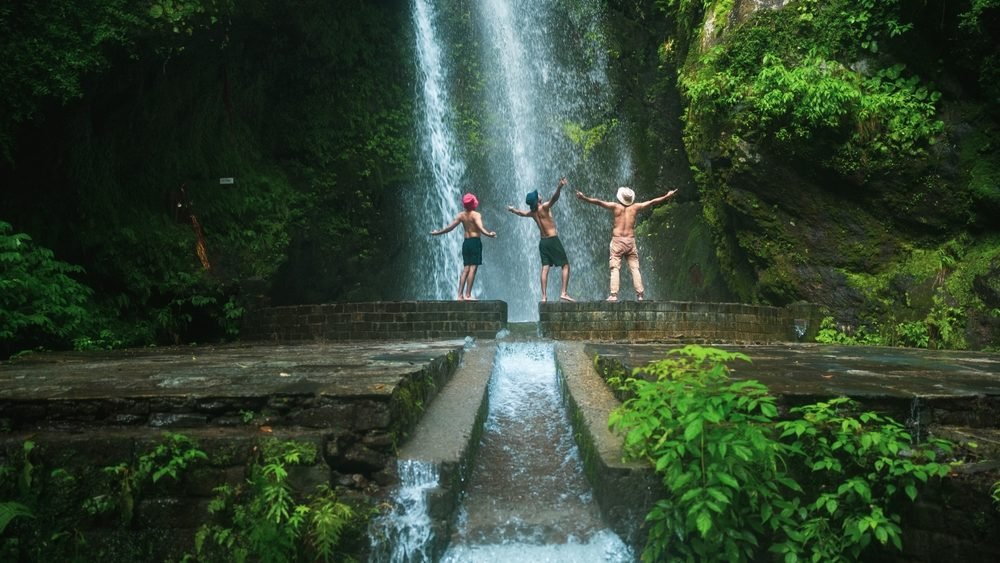
 Jibhi, Jalori Pass,
  3 Night 4 Days