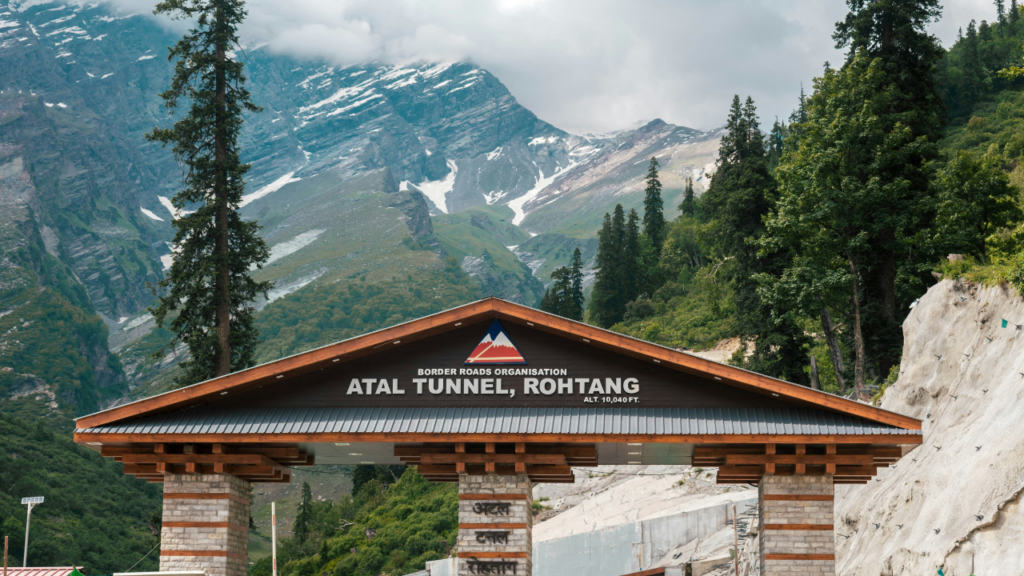
Atal Tunnel, also known as the Rohtang Tunnel, is a 9.02-kilometre-long highway tunnel built beneath the Rohtang Pass in Himachal Pradesh. It connects Manali in the Kullu Valley with Lahaul Valley, providing an all-weather road link through the Pir Panjal range and significantly reducing the travel time between the two regions.
The tunnel is located at an altitude of approximately 3,100 metres (10,171 feet) above sea level and is an important part of National Highway 3 (NH-3). It is named after former Indian Prime Minister Atal Bihari Vajpayee and was inaugurated in October 2020.
Unlike Rohtang Pass, which is generally closed by heavy winter snowfall, the tunnel allows road connectivity between Manali and Lahaul for much of the year, although access can still be affected by severe weather, snow, traffic restrictions, or official closures.
Atal Tunnel is located beneath Rohtang Pass in Himachal Pradesh and connects the Manali side with the Lahaul side.
State: Himachal Pradesh
District: Lahaul and Spiti
Length: Approximately 9.02 km
Altitude: Approximately 3,100 metres
South Portal: Near Dhundi, beyond Solang Valley
North Portal: Near Teling/Sissu area in Lahaul
Distance from Manali: Approximately 25–30 km by road, depending on the route and starting point
Nearest Airport: Kullu–Manali Airport, Bhuntar
Best Time to Visit Atal Tunnel
The best time to travel through Atal Tunnel depends on what you want to experience beyond the tunnel. April to June is a good period for comfortable road travel, sightseeing, and exploring destinations such as Sissu and the surrounding Lahaul Valley, when the landscape begins turning green and the weather is generally pleasant. September to October is another excellent period, with clearer skies, cooler temperatures, and beautiful autumn landscapes.
For travelers interested in snow, the winter months from December to February can offer spectacular views around the north portal, Sissu, and other parts of Lahaul. However, heavy snowfall can lead to temporary road restrictions or closures, so current weather and road conditions should always be checked before traveling.
The monsoon months of July and August can also be suitable for visiting Lahaul because the region receives considerably less rainfall than the Manali side, but rain, landslides, and road disruptions can still affect the journey around Manali and the approach to the tunnel.
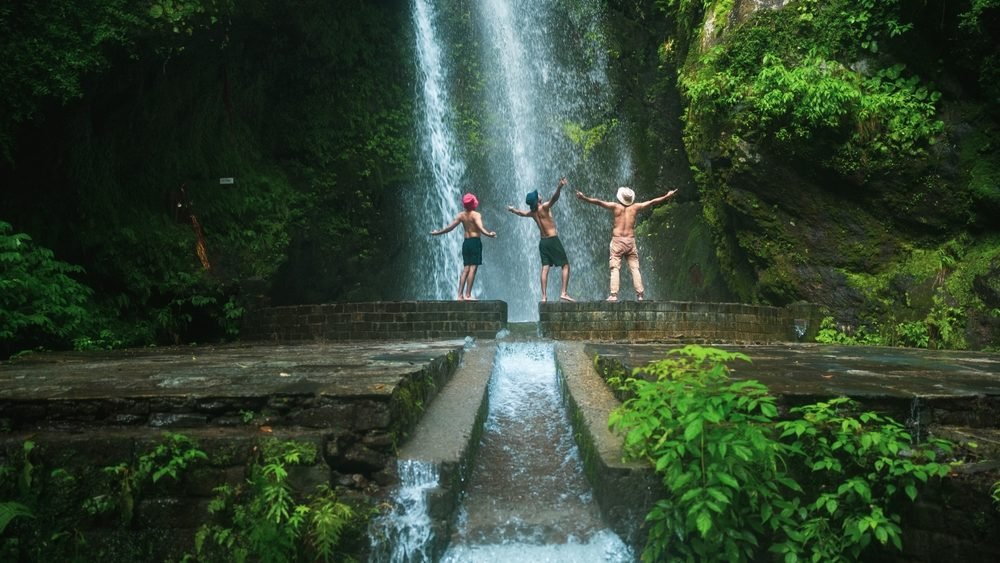
Located on the Lahaul side of the tunnel, Sissu is known for its dramatic mountain scenery, waterfall, green landscapes in summer, and snow-covered surroundings in winter.
Koksar
A small village in Lahaul known for its rugged Himalayan scenery and winter snow. It is one of the first settlements travelers encounter after crossing into Lahaul from the Manali side.
Solang Valley
Located before the tunnel on the Manali side, Solang Valley is famous for paragliding, skiing, snow activities, and mountain views.
Rohtang Pass
The historic mountain pass lies above the tunnel. The tunnel was constructed to provide an alternative all-weather route when Rohtang Pass becomes inaccessible due to heavy snowfall.
Sissu Waterfall
A prominent waterfall near Sissu that descends dramatically along the mountain slopes. Its flow is particularly impressive during the warmer months and snowmelt season.
Keylong
The administrative centre of Lahaul, Keylong is surrounded by high mountains, monasteries, villages, and scenic valleys.
Things to Do Near Atal Tunnel
Atal Tunnel itself is primarily a transport infrastructure project, rather than a sightseeing attraction where visitors spend extended time. The best experience comes from using the tunnel as a gateway to the landscapes beyond it.
Travelers can drive through the tunnel, continue toward Sissu and Koksar, explore Lahaul’s villages and monasteries, enjoy winter snow, photograph the surrounding mountains, and experience the dramatic change in landscape between the green Kullu Valley and the drier terrain of Lahaul.
How to Reach Atal Tunnel ?
From Manali
Manali → Palchan → Solang Valley → Dhundi → Atal Tunnel
The tunnel is approximately 25–30 km from Manali, depending on the exact starting point and route.
From Solang Valley
Solang Valley → Dhundi → Atal Tunnel
Solang Valley is the last major tourist destination on the Manali side before the tunnel.
After Crossing the Tunnel
Atal Tunnel → Sissu → Koksar → Keylong
This route takes travelers deeper into Lahaul and provides access to several villages, monasteries, and mountain destinations.
Important Road Information
Road access can be affected by snowfall, landslides, weather conditions, traffic management, and official restrictions. Always check the latest local road status before traveling, especially during winter.
Culture & Traditions Around Atal Tunnel
The tunnel connects two culturally distinct Himalayan regions. The Kullu Valley on the southern side has a strong Hindu cultural tradition, while Lahaul has a significant Buddhist cultural influence alongside Hindu traditions.
Travelers crossing the tunnel can experience changes in architecture, landscapes, food, religious sites, and local customs within a relatively short distance. Traditional wooden houses, Buddhist monasteries, prayer flags, local festivals, and village life are important parts of the region’s cultural identity.
Weather Around Atal Tunnel
Spring
0°C to 15°C
Summer
5°C to 20°C
Monsoon
5°C to 18°C
Autumn
0°C to 15°C
Winter
-15°C to 5°C
Unique Facts About Atal Tunnel
One of the World’s Longest Highway Tunnels at High Altitude
At approximately 9.02 km long and around 3,100 metres above sea level, Atal Tunnel is among the world’s longest highway tunnels located at such a high altitude.
It Changed Travel to Lahaul
Before the tunnel opened, travelers depended heavily on Rohtang Pass, which could remain closed for several months due to heavy snowfall. The tunnel has greatly improved year-round road connectivity between Manali and Lahaul.
It Was Built Beneath Rohtang Pass
The tunnel passes through the Pir Panjal range, providing a route beneath the historic Rohtang Pass rather than crossing the high mountain pass itself.
It Was Named After Atal Bihari Vajpayee
The tunnel was named in honour of former Prime Minister Atal Bihari Vajpayee, who had supported the project during his tenure.
The Landscape Changes Quickly
One of the most interesting experiences is the dramatic change in scenery after crossing the tunnel. The greener, more humid landscape around Manali gives way to the drier, high-altitude terrain of Lahaul.
Snow Near Atal Tunnel
The north portal and surrounding Lahaul region can receive substantial snowfall during winter. Areas around Sissu, Koksar, and the higher parts of Lahaul are particularly popular for winter landscapes.
Snow conditions vary from year to year, so travelers should check current road conditions before planning a snow trip.
Offbeat Places Near Atal Tunnel
Koksar
A quiet Lahaul village with dramatic mountain scenery and heavy winter snowfall.
Sissu
A scenic village offering a quieter alternative to the busy tourist areas of Manali.
Gondhla
A historic village in Lahaul known for its traditional architecture and the Gondhla Fort.
Shansha
A traditional Lahaul village surrounded by high mountains and agricultural landscapes.
Gemur
A small village known for Gemur Monastery and traditional Lahauli culture.
Waterfalls Near Atal Tunnel
Sissu Waterfall
One of the most prominent waterfalls near the tunnel, Sissu Waterfall drops dramatically down the mountain slopes opposite Sissu village. It is particularly impressive during the snowmelt and warmer months.
Rahala Waterfalls
Rahala Waterfalls are located on the old Manali–Rohtang road and can be visited when the route toward Rohtang is open. They are fed by snowmelt and are surrounded by dense mountain scenery.
Essential Travel Tips for Atal Tunnel
Check the latest road and weather conditions before traveling.
Do not stop inside the tunnel or on restricted sections of the highway.
Follow traffic and safety instructions at all times.
Carry warm clothing, particularly when continuing into Lahaul.
Allow extra travel time during snowfall or poor weather.
Fuel up before heading deeper into Lahaul, as facilities become less frequent farther from Manali.
Carry essential medicines and drinking water.
Avoid littering around Sissu, Koksar, and other natural areas.
If traveling during winter, use a suitable vehicle and follow local requirements.
Do not assume that every destination beyond the tunnel is accessible throughout the year.
Atal Tunnel is located beneath Rohtang Pass in Himachal Pradesh and connects Manali with Lahaul Valley.
2. How long is Atal Tunnel?
Atal Tunnel is approximately 9.02 km long.
3. How far is Atal Tunnel from Manali?
The tunnel is approximately 25–30 km from Manali by road, depending on the starting point and route.
4. What is Atal Tunnel famous for?
It is famous for providing an important all-weather road connection between Manali and Lahaul and for being one of the world’s longest highway tunnels at such a high altitude.
5. Can tourists visit Atal Tunnel?
Travelers can pass through the tunnel as part of the road journey between Manali and Lahaul, subject to traffic and official restrictions. It is not designed as a conventional tourist attraction.
6. What places can I visit after Atal Tunnel?
Popular destinations include Sissu, Koksar, Gondhla, Keylong, and other parts of Lahaul Valley.
7. Can I visit Atal Tunnel in winter?
Yes, the tunnel is designed to provide year-round connectivity, but access can still be temporarily restricted because of severe weather, heavy snowfall, road conditions, or official orders.
8. Is Atal Tunnel worth visiting?
Yes, especially as part of a journey from Manali to Lahaul. The tunnel itself is an impressive engineering project, while the areas beyond it offer a dramatic change in landscape, traditional villages, waterfalls, monasteries, and high-altitude Himalayan scenery.

 Manali, Kulllu, Atal Tunnel, Sissu, Rohtang Pass, Himachal Pradesh
 3 Night 4 Days