GhumneChlo.com

Now travel in different way.

Spiti Valley Tour Packages

02 TOURS

Top Attractions

left arrow Key Monastery

left arrow Chandratal Lake

left arrow Kaza

left arrow Chandratal Lake

left arrow Langza Village

left arrow Hikkim Village

left arrow Komic Village

left arrow Pin Valley National Park

left arrow Dhankar Monastery

left arrow Tabo Monastery

Inquire Now

Spiti Valley Packages (The Middle Land)

Discover the raw beauty of the Himalayas with our carefully designed Spiti Valley tour packages. Known as the “Middle Land” between India and Tibet, Spiti Valley is famous for its dramatic landscapes, ancient monasteries, high-altitude villages, crystal-clear lakes, and thrilling mountain roads. Whether you’re an adventure enthusiast, nature lover, photographer, or road trip explorer, Spiti offers an unforgettable travel experience. Our Spiti Valley packages cover iconic destinations such as Kaza, Key Monastery, Chandratal Lake, Langza, Hikkim, Komic, Pin Valley National Park, and Tabo Monastery, ensuring you experience the very best of this breathtaking Himalayan region. Browse our collection of Spiti tour packages below and choose the perfect itinerary for your next mountain adventure.

Layer

Best for

backpacker Solo

couple Couple

family Family

 group of three men standing side by side hugging each other Friends

crowd of users Group

time to visit

Best Time to Visit

summer  June To September

All Spiti Valley Packages

Full Details of Spiti Valley Tour

Spiti Valley, often referred to as the “Middle Land” between India and Tibet, is one of the most breathtaking destinations in Himachal Pradesh. Located in the Trans-Himalayan region, Spiti is renowned for its dramatic mountain landscapes, ancient Buddhist monasteries, crystal-clear rivers, high-altitude villages, and unique cold desert terrain. Unlike the lush green valleys of Himachal, Spiti offers a rugged yet mesmerizing landscape that attracts road trip enthusiasts, trekkers, photographers, bikers, and nature lovers from around the world.

Whether you’re seeking adventure, spiritual experiences, or peaceful Himalayan scenery, Spiti Valley has something unique to offer. From exploring the historic Key Monastery and the turquoise waters of Chandratal Lake to visiting the world’s highest motorable villages like Komic and Hikkim, every journey through Spiti promises unforgettable memories.

Best Time to Visit Spiti Valley

Spiti Valley is accessible for most of the year via the Shimla route, while the Manali route generally remains open from June to October, depending on snowfall and road conditions.

March to May (Spring)
  • Temperature: 0°C to 15°C
  • Pleasant weather with melting snow
  • Fewer tourists
  • Ideal for sightseeing via the Shimla route
June to September (Summer)
  • Temperature: 8°C to 25°C
  • Best season for road trips
  • Chandratal Lake and the Manali–Spiti route are generally open
  • Perfect for camping, trekking, photography, and sightseeing
October to November (Autumn)
  • Temperature: -5°C to 15°C
  • Clear skies and beautiful landscapes
  • Less crowded
  • Nights become significantly colder
December to February (Winter)
  • Temperature: -20°C to 5°C
  • Heavy snowfall and freezing temperatures
  • Suitable for experienced travelers seeking winter landscapes
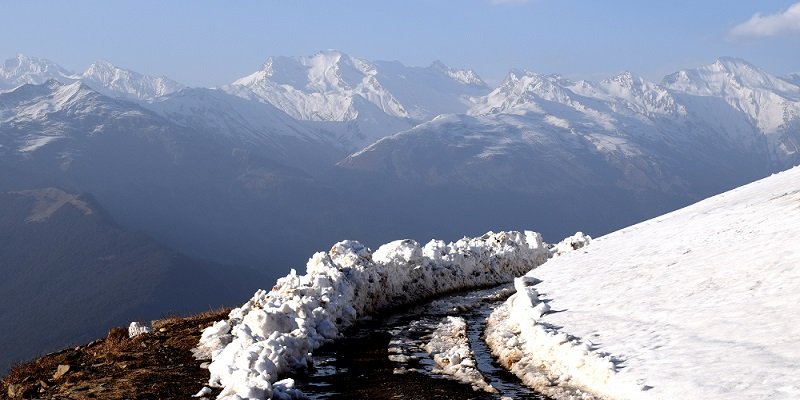
  • Many roads may close due to snow

Places to Visit in Spiti Valley

  1. Key Monastery

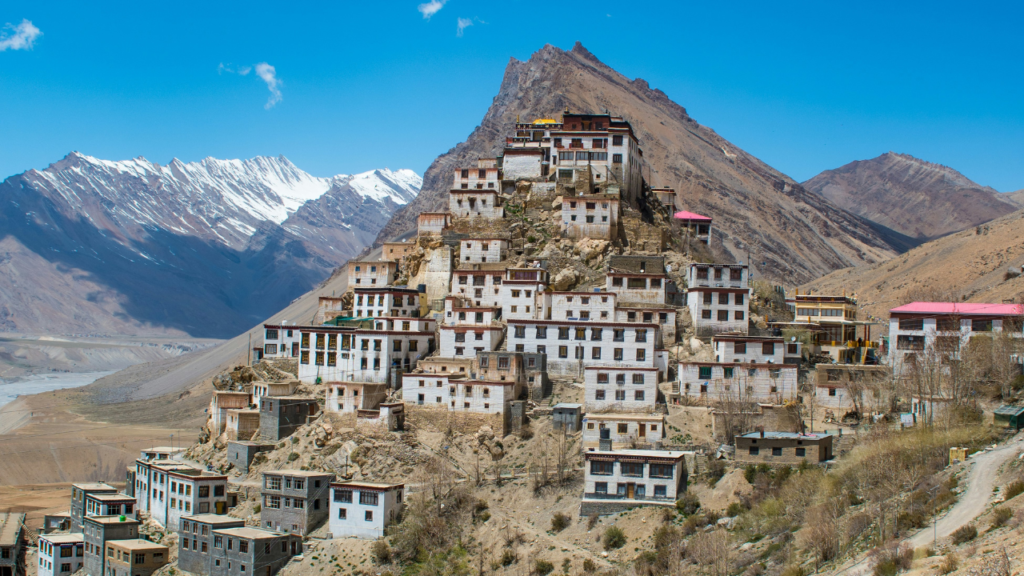
    Perched at an altitude of 4,166 metres, Key Monastery is the largest and most iconic Buddhist monastery in Spiti Valley. More than 1,000 years old, it is home to Buddhist monks, ancient murals, rare manuscripts, and stunning views of the Spiti River and surrounding mountains.

  2. Chandratal Lake

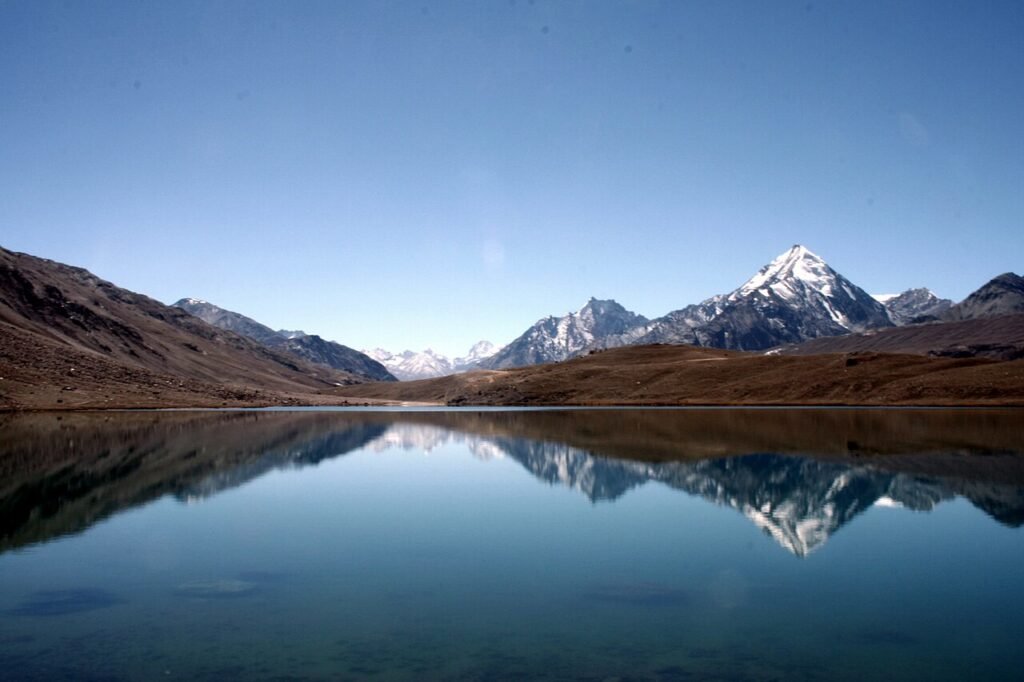
    Known as the “Moon Lake”, Chandratal Lake is a breathtaking high-altitude lake located at around 4,300 metres above sea level. Surrounded by majestic Himalayan peaks, it is one of the most photographed destinations in Himachal Pradesh and a popular camping spot during the summer months.

  3. Kaza

    Kaza is the largest town and administrative headquarters of Spiti Valley. It serves as the main base for exploring nearby attractions, offering hotels, cafés, restaurants, fuel stations, and local markets surrounded by spectacular mountain scenery.

  4. Kibber Village

    Situated at an altitude of approximately 4,270 metres, Kibber is one of the highest permanently inhabited villages in the world connected by a motorable road. It is famous for its traditional mud houses, breathtaking landscapes, and proximity to Kibber Wildlife Sanctuary.

  5. Langza Village

    Langza Village is renowned for its giant Buddha statue overlooking the valley and its rich collection of marine fossils dating back millions of years. The village also offers panoramic views of Chau Chau Kang Nilda Peak and is a paradise for photographers.

  6. Hikkim Village

    Hikkim is home to the world’s highest post office, located at an altitude of around 4,440 metres. Visitors can send postcards from this unique post office while enjoying spectacular views of the surrounding mountains.

  7. Komic Village

    Located at about 4,587 metres, Komic is among the highest motorable villages in the world. The village is famous for the ancient Tangyud Monastery and offers a peaceful glimpse into traditional Spitian life.

  8. Pin Valley National Park

    Pin Valley National Park is a protected wildlife reserve known for its rugged landscapes, rare Himalayan wildlife, and rich biodiversity. It is home to species such as the snow leopard, Siberian ibex, Himalayan wolf, and numerous high-altitude birds, making it a paradise for nature lovers and wildlife enthusiasts.

  9. Tabo Monastery

    Founded in 996 AD, Tabo Monastery is one of the oldest continuously functioning Buddhist monasteries in India. Often called the “Ajanta of the Himalayas,” it is famous for its ancient murals, clay sculptures, and centuries-old Buddhist manuscripts.

  10. Dhankar Monastery

    Dramatically perched on a cliff overlooking the confluence of the Spiti and Pin Rivers, Dhankar Monastery is one of the most scenic monasteries in Himachal Pradesh. Once the capital of the Spiti Kingdom, it offers breathtaking panoramic views and a glimpse into the region’s rich Buddhist heritage.

  11. Chicham Bridge

    Chicham Bridge is one of the highest suspension bridges in Asia, standing approximately 114 metres above the Samba Lamba Nallah gorge. It connects the villages of Chicham and Kibber and offers incredible views of the deep canyon below.

  12. Gue Village

    Gue Village is famous for housing the naturally preserved 500-year-old mummy of a Buddhist monk, believed to be Sangha Tenzin. Located near the Indo-Tibet border, this remote village offers a fascinating blend of history, spirituality, and stunning Himalayan landscapes.


How to Reach Spiti Valley

There are two popular routes to reach Spiti Valley.

Via Shimla

The Shimla–Kinnaur–Spiti route remains open for most of the year and passes through Narkanda, Kalpa, Nako, Tabo, and Dhankar before reaching Kaza. This gradual ascent is considered better for acclimatization.

Via Manali

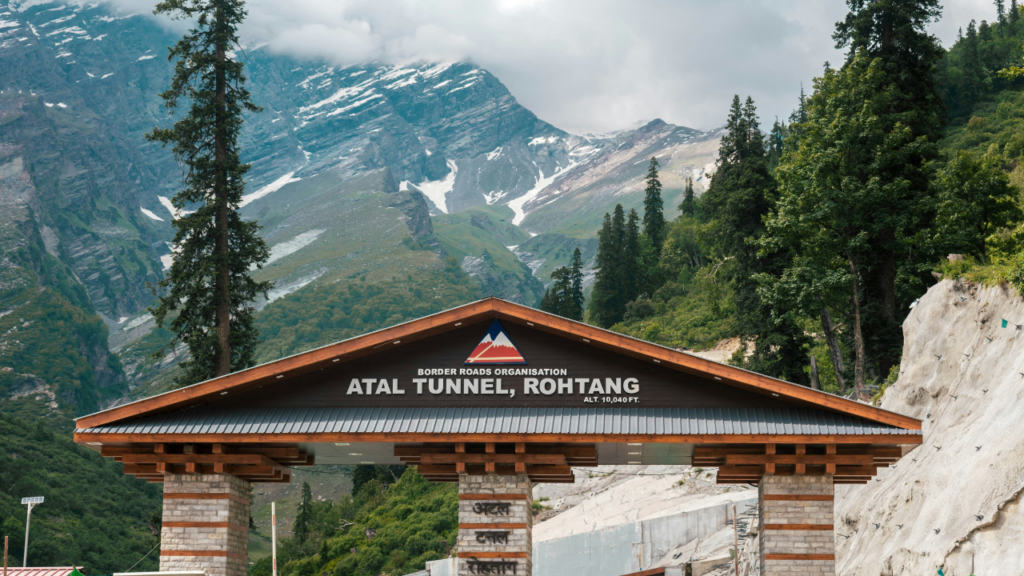
The Manali–Atal Tunnel–Kunzum Pass route is shorter and offers spectacular mountain scenery. However, it usually remains open only from June to October, depending on snowfall and road conditions.

By Air

The nearest airport is Bhuntar Airport, located near Kullu. From there, travelers can hire a taxi or take a bus to Kaza.

By Train

The nearest major railway station is Shimla, from where buses and taxis are available to Spiti Valley.

Famous Monasteries in Spiti Valley

  1. Key Monastery – The largest and most famous monastery in Spiti Valley, located near Kaza.
  2. Tabo Monastery – Founded in 996 AD, it is one of the oldest functioning Buddhist monasteries in India and is often called the “Ajanta of the Himalayas.”
  3. Dhankar Monastery – Perched dramatically on a cliff overlooking the confluence of the Spiti and Pin Rivers.
  4. Kungri Monastery – The second oldest monastery in Spiti, located in Pin Valley.
  5. Tangyud Monastery – Situated near Komic Village, it is one of the highest monasteries in the world.

Famous Lakes in Spiti Valley

  1. Chandratal Lake – One of the most beautiful high-altitude lakes in India, located at an elevation of approximately 4,300 metres. Its crystal-clear blue waters and surrounding mountains make it one of Spiti’s top attractions.
  2. Dhankar Lake – A peaceful alpine lake located above Dhankar Village, reached via a short trek offering stunning panoramic views.
  3. Suraj Tal – Situated on the Manali–Leh Highway near Baralacha La, Suraj Tal is one of India’s highest lakes and is often included in extended Spiti road trips via Manali.

Languages Spoken in Spiti Valley

The primary language spoken in Spiti Valley is Bhoti (Spitian), a Tibetic language closely related to Classical Tibetan. Hindi is widely understood, while English is commonly spoken in hotels, cafés, homestays, and by tourism service providers. Tibetan is also used in monasteries and religious settings.

Offbeat Places in Spiti Valley

Away from the popular tourist circuit, Spiti Valley is home to several hidden gems. Demul Village offers a peaceful experience of traditional Spitian life, while Mud Village serves as the gateway to Pin Valley National Park. Gue Village is famous for its naturally preserved 500-year-old mummy, and Dhankar Lake rewards trekkers with breathtaking panoramic views. Travelers can also explore Chicham Village, home to Asia’s highest suspension bridge, along with the quiet villages of Gette, Tashigang, Losar, and Mane, where they can experience authentic Himalayan culture and stunning landscapes. 

Culture & Traditions of Spiti Valley

Spiti Valley is deeply influenced by Tibetan Buddhist culture, which is reflected in its monasteries, festivals, architecture, and daily life. Ancient monasteries such as Key Monastery, Tabo Monastery, and Dhankar Monasteryserve as important centers of spirituality and learning. Traditional festivals like Losar (Tibetan New Year) and the vibrant Cham Dance Festival showcase the valley’s rich cultural heritage. Visitors will also notice colorful prayer flags, whitewashed mud houses, prayer wheels, and warm local hospitality that have remained unchanged for centuries.

Traditional Food of Spiti Valley

The cuisine of Spiti Valley is simple, nutritious, and well suited to the cold climate. Popular local dishes include Thukpa, a hearty noodle soup, Momos, Thenthuk, Tsampa (roasted barley flour), Skyu, a traditional pasta stew, and Tingmo, a steamed Tibetan bread. Visitors should also try Butter Tea (Gur Gur Cha), a traditional Tibetan beverage made with yak butter, tea, and salt. Locally produced yak cheese (Chhurpe) is another regional specialty.

Essential Travel Tips for Trip in Spiti Valley

Planning your journey in advance is essential for a safe and enjoyable trip to Spiti Valley. Due to its high altitude, remote location, and changing weather conditions, keeping these travel tips in mind will help you make the most of your adventure.

  1. Acclimatize properly before exploring higher-altitude villages such as Komic, Hikkim, and Langza to reduce the risk of altitude sickness.
  2. Travel during the right season. The best time to visit Spiti Valley is from June to September, while the Shimla route remains accessible for most of the year.
  3. Check road conditions before starting your journey, especially if you plan to travel via the Manali–Kunzum Passroute, which is open only during the summer months.
  4. Carry warm clothing throughout the year, as temperatures can drop sharply, especially during the evenings and early mornings.
  5. Keep sufficient cash, as ATMs are limited. Kaza has a few ATMs, but they may occasionally be out of service.
  6. Stay hydrated and avoid alcohol during the first day or two to help your body adjust to the high altitude.
  7. Carry essential medicines, including those for altitude sickness, headaches, and motion sickness, as medical facilities are limited in remote villages.
  8. Download offline maps and keep your phone charged, as mobile network coverage is limited outside Kaza. BSNL and Jio generally offer the best connectivity in the region.
  9. Respect local culture and monasteries. Dress modestly, seek permission before photographing monks or prayer halls, and follow local customs during religious ceremonies.
  10. Do not litter. Help preserve Spiti Valley’s fragile ecosystem by carrying your waste back and avoiding single-use plastics whenever possible.
  11. Book accommodations in advance if you’re visiting during the peak season, especially in Kaza, Chandratal, Kibber, and Langza.
  12. Carry valid photo identification, as it may be required for hotel check-ins and at police or security checkpoints along the route.
  13. Drive carefully on mountain roads. Maintain a safe speed, avoid driving after dark whenever possible, and always check weather forecasts before setting out.
Page 1

Packages You Also Like

1. What is the best time to visit Spiti Valley?

The best time to visit Spiti Valley is from June to September, when the weather is pleasant and both the Manali and Shimla routes are generally accessible. If traveling via the Shimla route, you can also visit during spring and autumn.

A 7 to 10-day trip is ideal for exploring Spiti Valley comfortably. This allows enough time to visit major attractions like Kaza, Key Monastery, Chandratal Lake, Kibber, Langza, Hikkim, Komic, and Tabo.

Both routes offer unique experiences. The Shimla route is better for gradual altitude gain and acclimatization, while the Manali route is shorter and more scenic but is usually open only from June to October.

Yes, Spiti Valley remains accessible throughout the year via the Shimla–Kinnaur route. However, the Manali–Kunzum Pass route is seasonal and generally remains open from June to October, depending on weather conditions.

Indian citizens do not require a permit to visit most parts of Spiti Valley. However, foreign nationals need an Inner Line Permit (ILP) to visit certain areas near the India–China border, such as Kaurik and Shipki La.

The most popular attractions include Key Monastery, Chandratal Lake, Kaza, Kibber Village, Langza, Hikkim, Komic, Pin Valley National Park, Tabo Monastery, Dhankar Monastery, Chicham Bridge, and Gue Village.

Yes. Families can enjoy Spiti Valley, provided they are comfortable with long mountain drives and high-altitude travel. Proper acclimatization and planning are recommended, especially when traveling with children or elderly family members.

Spiti Valley can be reached by road via Shimla or Manali. The nearest airport is Bhuntar Airport (Kullu), while the nearest major railway station is Shimla Railway Station.

Yes. Spiti Valley is generally considered safe for solo travelers, including solo female travelers. However, it is advisable to inform someone about your travel plans, avoid driving after dark, and check weather and road conditions before traveling.

Mobile connectivity is limited in Spiti Valley. BSNL and Jio offer the best coverage in many areas, particularly around Kaza, while internet access may be slow or unavailable in remote villages.

Some popular local dishes include Thukpa, Momos, Thenthuk, Tsampa, Skyu, Tingmo, Butter Tea (Gur Gur Cha),and Chhurpe (yak cheese).

iti Valley is known for trekking, camping, mountain biking, motorcycle expeditions, jeep safaris, off-road driving, wildlife photography, stargazing, and river rafting (available seasonally in selected areas).

Yes. Since many places in Spiti Valley are above 3,500 metres, some travelers may experience mild altitude sickness. Staying hydrated, acclimatizing properly, and avoiding strenuous activities on the first day can help reduce the risk.

Popular trekking routes include Pin Bhaba Pass Trek, Pin Parvati Pass Trek, Kanamo Peak Trek, Parang La Trek, Dhankar Lake Trek, and Chandratal Trek.

Absolutely. Spiti Valley is one of India’s most unique travel destinations, offering spectacular mountain landscapes, ancient Buddhist monasteries, remote villages, high-altitude lakes, thrilling road trips, and unforgettable cultural experiences. It is an ideal destination for adventure seekers, photographers, bikers, and nature lovers.

INQUIRE NOW

Scroll to top