Hidimba Temple
Mall Road
Manu Temple
Vashisht Temple
Tibetan Monastery
Sollang Valley
Atal Tunnel
Sissu
Jogni Waterfall
Nehru Kund
Discover the beauty of the Himalayas with our carefully crafted Manali tour packages, designed for couples, families, friends, and adventure seekers. From snow-covered mountains and lush green valleys to ancient temples and thrilling adventure activities, Manali offers the perfect blend of nature, culture, and excitement. Whether you’re planning a honeymoon, a family vacation, or an adventurous getaway, our Manali packages include popular attractions such as Solang Valley, Atal Tunnel, Sissu, Hadimba Devi Temple, Mall Road, and more. Browse our collection of best tour packages of Manali below and choose the itinerary that best matches your travel style and budget.
Solo
Couple
Family
Friends
Group
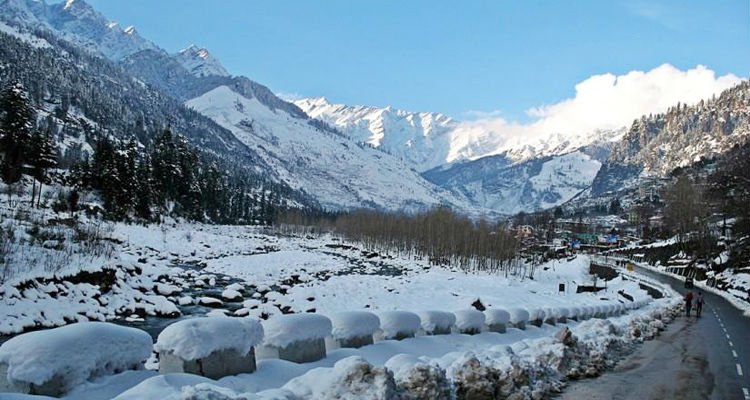
Snow December to February
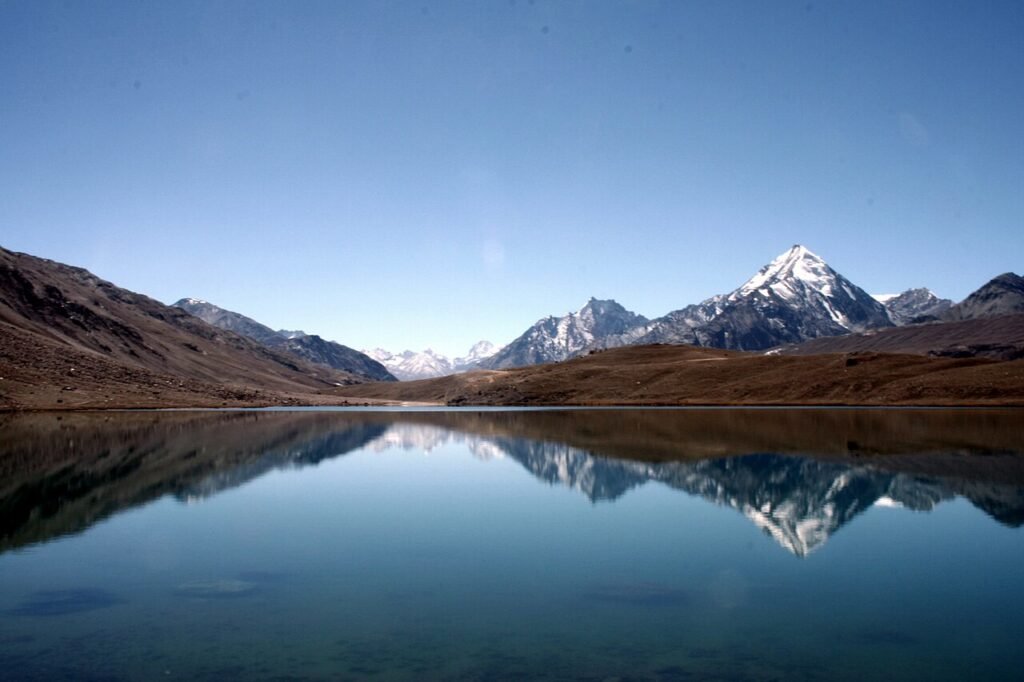
Clear Weather March to June
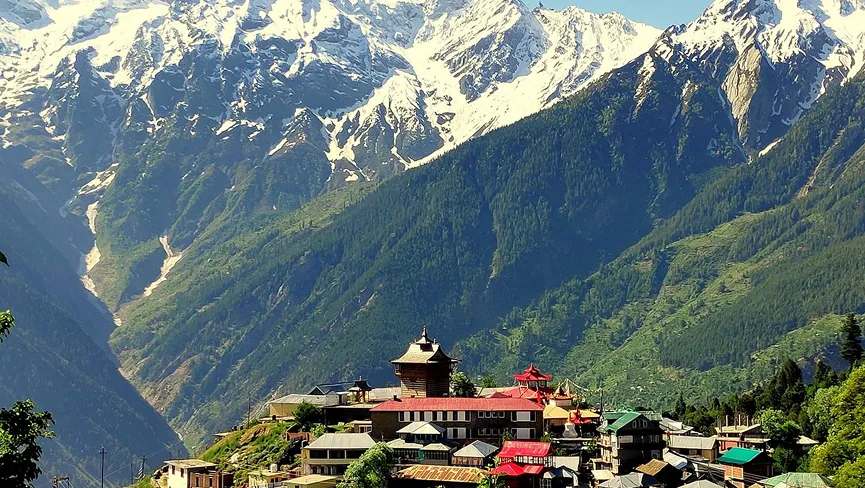
Manali is one of the most popular hill stations in Himachal Pradesh, located in the scenic Kullu Valley along the banks of the Beas River. Surrounded by snow-capped Himalayan peaks, lush pine forests, apple orchards, and flowing rivers, Manali attracts travelers throughout the year. It is known for its breathtaking landscapes, adventure sports, ancient temples, vibrant cafés, and easy access to some of Himachal’s most famous mountain passes.
Whether you’re planning a family vacation, a honeymoon, a solo backpacking trip, or an adventure getaway, Manali has something for everyone. From exploring the charming streets of Old Manali to driving through the Atal Tunnel and visiting Sissu, every journey around Manali offers unforgettable views and experiences.
Manali is a year-round destination, with each season offering a unique experience.
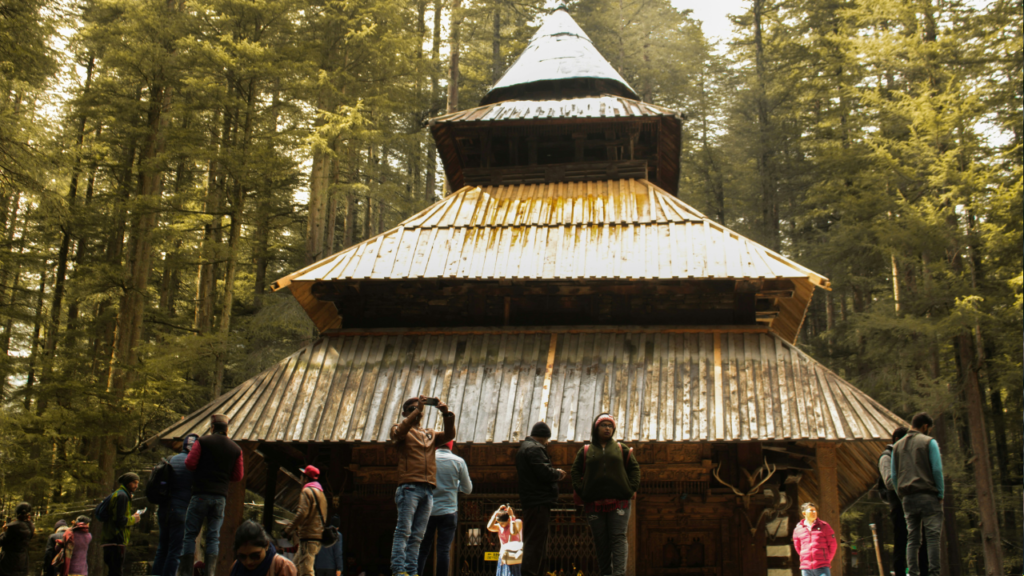
Hadimba Devi Temple is one of the most iconic attractions in Manali. Built in 1553, this ancient wooden temple is dedicated to Goddess Hadimba, a character from the Mahabharata. Surrounded by towering deodar forests, the temple is known for its unique pagoda-style architecture and peaceful atmosphere. It is an ideal place for photography, spiritual visits, and experiencing Manali’s rich cultural heritage.
2. Solang Valley
Located about 13 km from Manali, Solang Valley is the adventure capital of the region. During summer, visitors can enjoy paragliding, ziplining, ATV rides, horse riding, and zorbing, while winter transforms the valley into a popular skiing and snowboarding destination. The panoramic views of snow-covered mountains make Solang Valley a must-visit throughout the year.
Old Manali offers a completely different experience from the bustling town center. Known for its charming cafés, boutique stays, live music venues, and relaxed atmosphere, it attracts backpackers and nature lovers alike. Walking through its narrow lanes, crossing the Old Manali Bridge, and spending time by the Beas River are among the best experiences here.
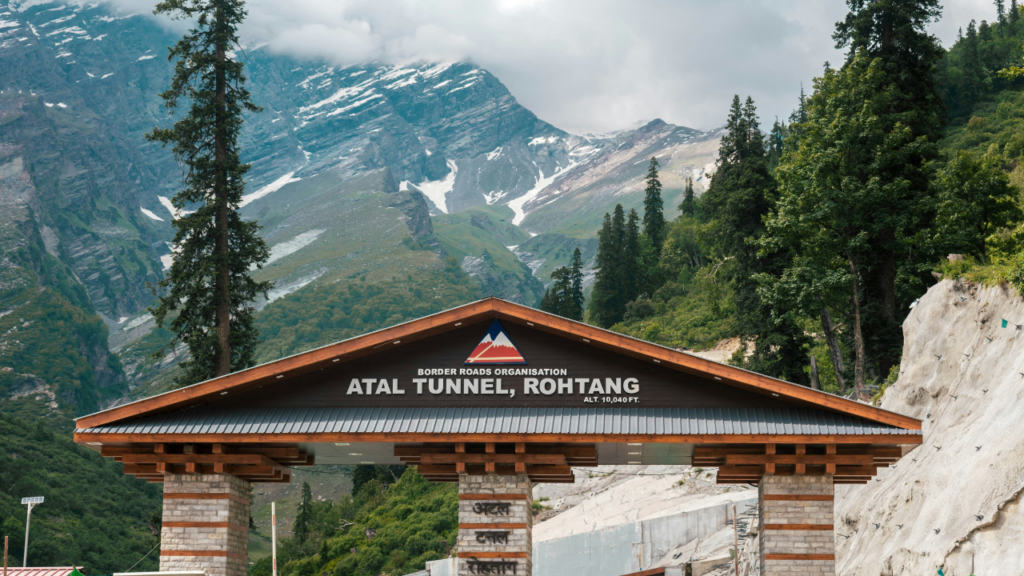
The Atal Tunnel is one of India’s greatest engineering achievements, stretching over 9 kilometres beneath the Pir Panjal Range. It connects Manali with the Lahaul Valley throughout the year and significantly reduces travel time. Driving through the tunnel and emerging into the dramatic landscapes of Lahaul is an unforgettable experience.
5. Sissu
Located just beyond the Atal Tunnel, Sissu is a beautiful village in the Lahaul Valley famous for its towering waterfall, peaceful surroundings, and snow-covered mountains. Visitors can enjoy boating at Sissu Lake, relax by the waterfall, or simply admire the stunning Himalayan scenery. It is one of the most popular day trips from Manali.
Situated at an altitude of approximately 3,978 metres, Rohtang Pass is one of the most famous mountain passes in Himachal Pradesh. Open seasonally depending on weather conditions, it offers spectacular views of glaciers, snowfields, and rugged Himalayan peaks. Visitors come here to enjoy snow activities, photography, and breathtaking mountain landscapes.
Located across the Beas River from Manali, Vashisht is a traditional village known for its ancient temple dedicated to Sage Vashisht and its natural hot water springs. Many visitors take a dip in the therapeutic sulphur-rich waters before exploring the local cafés, handicraft shops, and peaceful village streets.
8. Jogini Waterfall
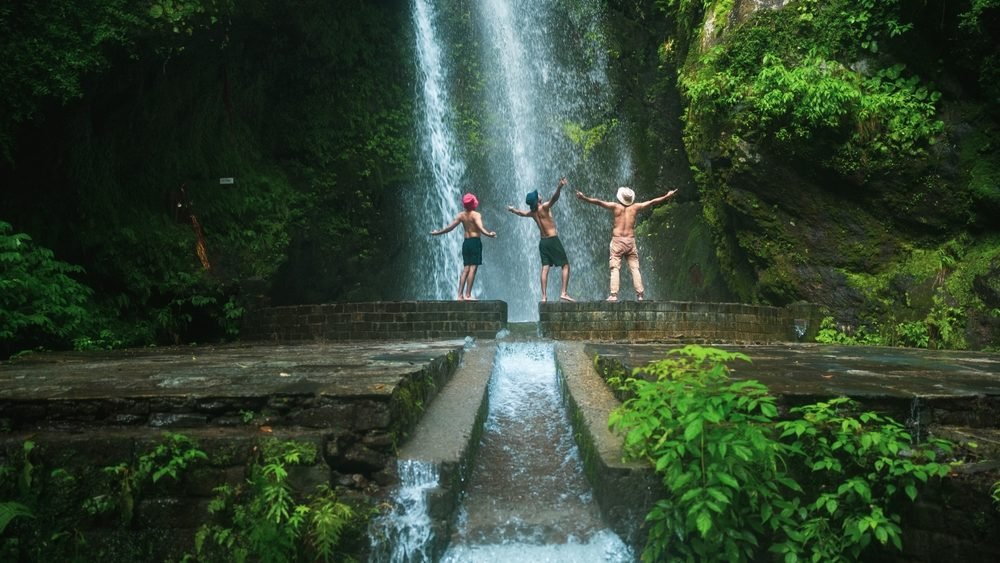
Jogini Waterfall is one of the most beautiful waterfalls near Manali and can be reached through a scenic trek from Vashisht Village. The trail passes through apple orchards, pine forests, and small villages, making the journey as enjoyable as the destination. The waterfall is especially impressive during the monsoon season.
9. Manu Temple
Dedicated to Sage Manu, who is believed in Hindu tradition to be the creator of mankind, Manu Temple is located in the peaceful surroundings of Old Manali. The temple attracts both pilgrims and tourists looking for a quiet place with beautiful mountain views and traditional Himachali architecture.
About 20 km from Manali, Naggar Castle is a historic structure built by the former rulers of the Kullu Kingdom. Constructed using traditional Kath-Kuni architecture, the castle offers panoramic views of the Kullu Valley. Today, it functions as a heritage hotel and museum, making it a fascinating stop for history and architecture enthusiasts.
Nehru Kund is a natural spring located on the Manali–Rohtang road. Named after India’s first Prime Minister, Jawaharlal Nehru, who is believed to have drunk water from this spring during his visits, the spot is known for its crystal-clear mountain water and scenic surroundings.
Situated near Mall Road, Van Vihar is a peaceful park filled with tall deodar trees, walking paths, and a small lake where visitors can enjoy boating. It is an excellent place for families, couples, and anyone looking to relax in nature without leaving Manali town.
Mall Road is the heart of Manali and the best place for shopping, dining, and experiencing the town’s lively atmosphere. Visitors can explore local handicrafts, woollen clothing, Himachali souvenirs, cafés, restaurants, and street food while enjoying views of the surrounding mountains.
Located near Naggar, Jana Waterfall is a hidden gem surrounded by dense forests and traditional Himachali villages. The waterfall is famous not only for its natural beauty but also for the local dhabas that serve authentic Himachali dishes such as Siddu and trout fish, making it a perfect destination for both nature lovers and food enthusiasts.

Snowfall depends on the season, but these places offer the best chances to experience snow.
For guaranteed natural snowfall, visit between late December and February.
Manali is one of India’s premier adventure destinations, attracting thrill-seekers from across the country. Whether you visit in summer or winter, there are plenty of exciting activities to enjoy. Experience the thrill of paragliding over the picturesque Solang Valley, navigate the rapids of the Beas River with an exhilarating river rafting adventure, or hit the snowy slopes for skiing and snowboarding during the winter season. Visitors can also enjoy ATV rides, ziplining, zorbing, mountain biking, camping, rock climbing, rappelling, and river crossing at various adventure spots around Manali. Trekking enthusiasts can explore scenic trails leading to destinations like Hampta Pass, Bhrigu Lake, and Beas Kund, while those looking for a unique mountain experience can opt for a jeep safari through the rugged Himalayan terrain or enjoy exciting snow scooter rides in snow-covered areas during winter. With its diverse landscapes and year-round adventure opportunities, Manali is the perfect destination for both beginners and experienced outdoor enthusiasts.
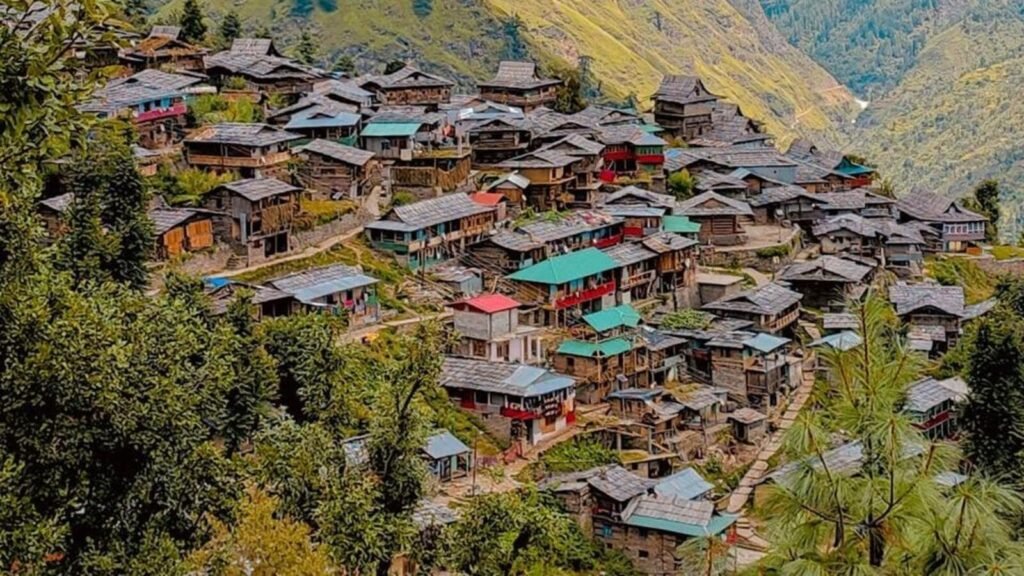
Beyond the popular tourist attractions, Manali is surrounded by several offbeat destinations that offer peace, natural beauty, and an authentic Himalayan experience. Sethan Village is a quiet Buddhist hamlet known for its snow-covered landscapes and igloo stays during winter, while Hamta Village offers scenic mountain views and serves as the gateway to the famous Hampta Pass Trek. Lama Dugh is a beautiful day trek through dense deodar forests, and Rumsu Villageshowcases traditional Himachali architecture and village life.
Nature lovers can also explore Soil Village, Hallan Valley, Sajla Village, Nashala, and Shuru Village, each offering serene surroundings, apple orchards, and breathtaking views away from the tourist crowds. Wildlife enthusiasts can visit Kais Wildlife Sanctuary, home to rich Himalayan flora and fauna, while Jana Village is famous for its picturesque waterfall and traditional Himachali cuisine. Adventure seekers looking for a rewarding trek can head to Bhrigu Lake, a stunning high-altitude alpine lake surrounded by panoramic mountain views. Together, these hidden gems provide a perfect escape for travelers seeking tranquility, local culture, and untouched natural beauty near Manali.
Manali is a popular tourist destination where people from different parts of India and the world visit throughout the year. The primary language spoken by local residents is Kulluvi (Kulvi), a regional dialect of Himachal Pradesh. Hindi is widely spoken and understood, making communication easy for most domestic travelers. English is commonly used in hotels, restaurants, cafés, travel agencies, and tourist attractions, especially in areas frequented by visitors. In addition, various Pahari dialects are spoken in nearby villages, reflecting the rich cultural heritage of the Kullu Valley. Thanks to its thriving tourism industry, language is rarely a barrier for visitors exploring Manali.
Manali is deeply rooted in the traditions and culture of the Kullu Valley, where age-old customs continue to be an important part of everyday life. The region is known for its Devta culture, in which local deities are highly revered and play a central role in village festivals and community decisions. Traditional celebrations such as Kullu Dussehra, along with various local fairs and religious festivals, are celebrated with great enthusiasm and feature colorful processions, music, and rituals.
The people of Manali proudly preserve their cultural heritage through Nati, the traditional folk dance of Himachal Pradesh, which is performed during festivals and special occasions. Traditional wooden temples built in the unique Kath-Kuni architectural style, beautifully woven woollen shawls, Himachali caps, and local handicrafts reflect the region’s rich artistic traditions. Visitors to Manali can also experience the warm hospitality of the local people, who continue to value community, family, and their centuries-old customs.
Manali offers a delicious blend of authentic Himachali cuisine and local mountain flavors. One of the most popular traditional dishes is Siddu, a steamed wheat bread stuffed with fillings such as poppy seeds or walnuts and usually served with ghee or lentil curry. Another must-try meal is Dham, a traditional festive platter prepared during celebrations, featuring dishes like Madra, Rajma, rice, and curd-based gravies.
Visitors can also enjoy local specialties such as Babru, a Himachali version of stuffed fried bread, Aktori, a buckwheat pancake, Tudkiya Bhath, a flavorful spiced rice dish, Bhey, made from lotus stems, and Sepu Vadi, a rich curry prepared with lentil dumplings. For dessert, Mittha, a sweet saffron-flavored rice dish with dry fruits, is a local favorite, while Patande, often called the Himachali pancake, is commonly enjoyed for breakfast. The Kullu Valley is also known for its fresh apples, homemade fruit products, and locally farmed trout fish, making Manali a wonderful destination for food lovers seeking authentic Himalayan flavors.
Planning your trip well can help you make the most of your visit to Manali. Here are some essential travel tips to ensure a safe and enjoyable experience:
The best time to visit Manali depends on your preferences. March to June is ideal for sightseeing and adventure activities, while December to February is the best time to experience snowfall and winter sports.
A 3 to 5-day trip is sufficient to explore Manali’s major attractions, including Solang Valley, Old Manali, Hadimba Temple, Atal Tunnel, Sissu, and nearby sightseeing spots.
Yes. Manali usually receives snowfall between December and February, although the timing and amount vary each year depending on weather conditions.
Popular places to experience snow include Solang Valley, Gulaba (when accessible), Sissu, Sethan Village, the Atal Tunnel North Portal, and Rohtang Pass (when open).
No. Rohtang Pass is generally open from May to November, depending on weather conditions, road maintenance, and government regulations.
Some of the most popular attractions include Hadimba Devi Temple, Solang Valley, Old Manali, Atal Tunnel, Sissu, Rohtang Pass, Vashisht Temple, Jogini Waterfall, Naggar Castle, and Mall Road.
Manali is famous for paragliding, river rafting, skiing, snowboarding, trekking, camping, ziplining, ATV rides, mountain biking, rappelling, and snow scooter rides.
Yes. Manali is an excellent destination for families, offering scenic sightseeing, temples, waterfalls, parks, adventure activities, and comfortable accommodations suitable for all age groups.
Manali is well connected by road from Delhi, Chandigarh, Shimla, and other major cities. The nearest airport is Bhuntar Airport, about 50 km away, while the nearest major railway stations are Chandigarh and Pathankot.
Yes. Manali is one of India’s most popular honeymoon destinations, known for its snow-covered mountains, romantic resorts, cozy cafés, scenic valleys, and peaceful atmosphere.
Visitors should try authentic Himachali dishes such as Siddu, Dham, Madra, Babru, Bhey, Tudkiya Bhath, Sepu Vadi, Mittha, Patande, and fresh trout fish from the Kullu Valley.
Yes. Manali is generally considered a safe destination for solo travelers. However, it’s always advisable to avoid isolated areas at night, keep your belongings secure, and follow local travel advisories.
Yes. Private vehicles usually require a permit to visit Rohtang Pass. Permits are issued by the local administration and are subject to availability and environmental regulations.
Popular treks include Hampta Pass Trek, Beas Kund Trek, Bhrigu Lake Trek, Lama Dugh Trek, Friendship Peak Trek, and Deo Tibba Base Camp Trek.
Yes. Manali is a year-round destination. Summer is perfect for sightseeing and adventure activities, the monsoon season offers lush green landscapes with fewer crowds, and winter is ideal for snowfall, skiing, and other snow-based experiences.