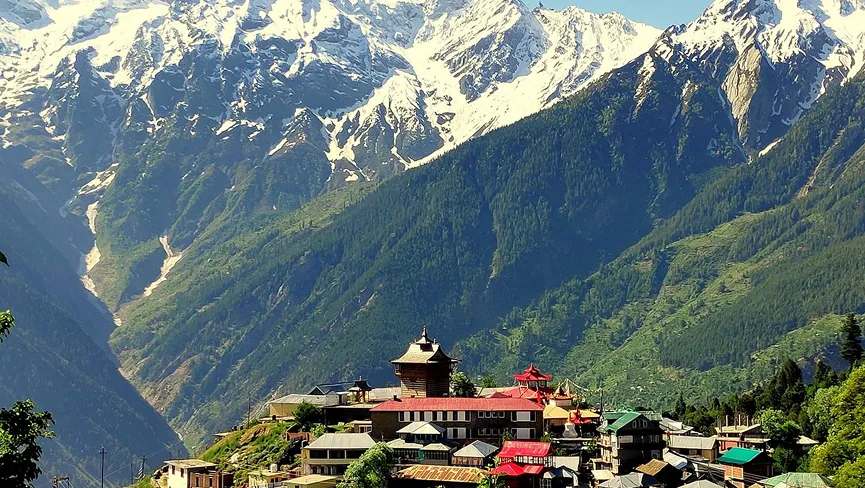
Narkanda is a scenic mountain town in Shimla district, Himachal Pradesh, located at an altitude of approximately 2,700 metres. Surrounded by dense deodar and pine forests and the apple-growing valleys of the upper Shimla region, Narkanda is known for its peaceful mountain scenery, Hatu Peak, Hatu Temple, Tannu Jubbar Lake, apple orchards, and winter snowfall.
Located on NH-5, Narkanda is also an important stop on the route from Shimla toward Rampur, Kinnaur and the upper Sutlej Valley. Compared with Shimla, it generally offers a quieter mountain experience and is particularly popular among travelers looking for forests, snow, hiking, and scenic road trips.
Narkanda is located in the upper Shimla region of Shimla district, Himachal Pradesh.
District: Shimla
Altitude: Approximately 2,700 metres
Distance from Shimla: Approximately 60–65 km by road
Highway: NH-5
Nearest Airport: Shimla Airport, Jubbarhatti
Nearest major railway station: Kalka Railway Station
Region: Upper Shimla / Sutlej Valley route
Best Time to Visit Narkanda
The best time to visit Narkanda depends on the experience you are looking for. April to June is a pleasant period for sightseeing, hiking, exploring apple-growing areas, and enjoying the surrounding forests, while September to Novembergenerally offers clear mountain views and autumn scenery. If you want to experience snow, December to February is the preferred period, although snowfall varies from year to year and heavy snow can affect road conditions. July and August bring monsoon rainfall, which can make the surrounding landscape lush and green but may also cause slippery roads and occasional travel disruptions.
At approximately 3,400 metres, Hatu Peak is the highest prominent peak around Narkanda and offers wide views of the surrounding Himalayan landscape. The peak is also home to the revered Hatu Temple.
Hatu Temple
Located at the summit of Hatu Peak, Hatu Temple is an important local religious site. The traditional wooden architecture and mountain setting make it one of Narkanda’s most distinctive attractions.
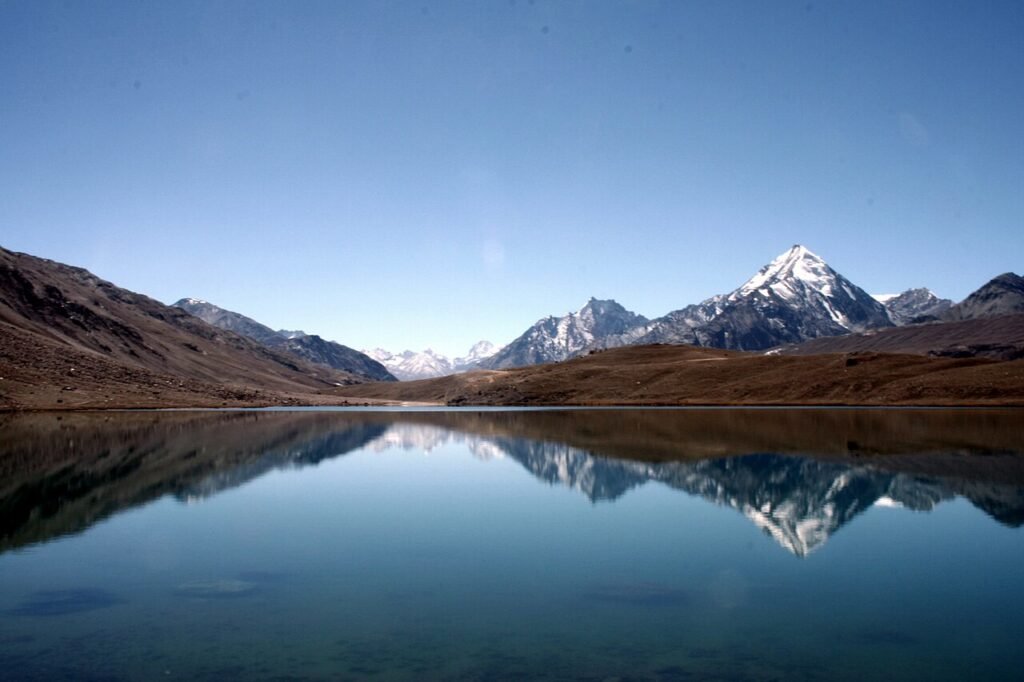
Tani Jubbar Lake
Tani Jubbar Lake is a small scenic lake surrounded by forests and mountains. It is located approximately 8 km from Narkanda and is a peaceful place for enjoying the landscape.
Narkanda Apple Orchards
Narkanda and the surrounding upper Shimla region are well known for apple cultivation. During the appropriate season, the orchards provide an opportunity to see one of the area’s important agricultural activities.
Stokes Farm, Kotgarh
The wider Kotgarh region is historically associated with commercial apple cultivation in Himachal Pradesh. The area around Kotgarh is worth exploring for its orchards, villages, and mountain scenery.
Things to Do in Narkanda
Visitors can trek to Hatu Peak, visit Hatu Temple, explore apple orchards, enjoy forest walks, photograph the surrounding mountains, visit Tannu Jubbar Lake, and experience snowfall during winter.
Narkanda is also a good base for exploring the quieter villages and valleys of the upper Shimla region.
Narkanda lies on NH-5, making it a common stop for travelers continuing toward Rampur, Sarahan and Kinnaur.
Adventure Activities in Narkanda
Skiing
Narkanda is one of Himachal Pradesh’s traditional winter skiing destinations. Skiing is possible when there is sufficient snow, generally during the winter season.
Trekking
The trek to Hatu Peak is the most popular hiking experience around Narkanda.
Hiking & Forest Walks
The surrounding deodar and pine forests provide opportunities for shorter walks and nature exploration.
Snow Activities
During periods of good snowfall, visitors can enjoy snow play and other simple winter activities. Conditions vary from year to year.
Camping
Camping can be enjoyed at suitable and permitted locations around Narkanda, subject to local regulations and weather conditions.
Culture & Traditions of Narkanda
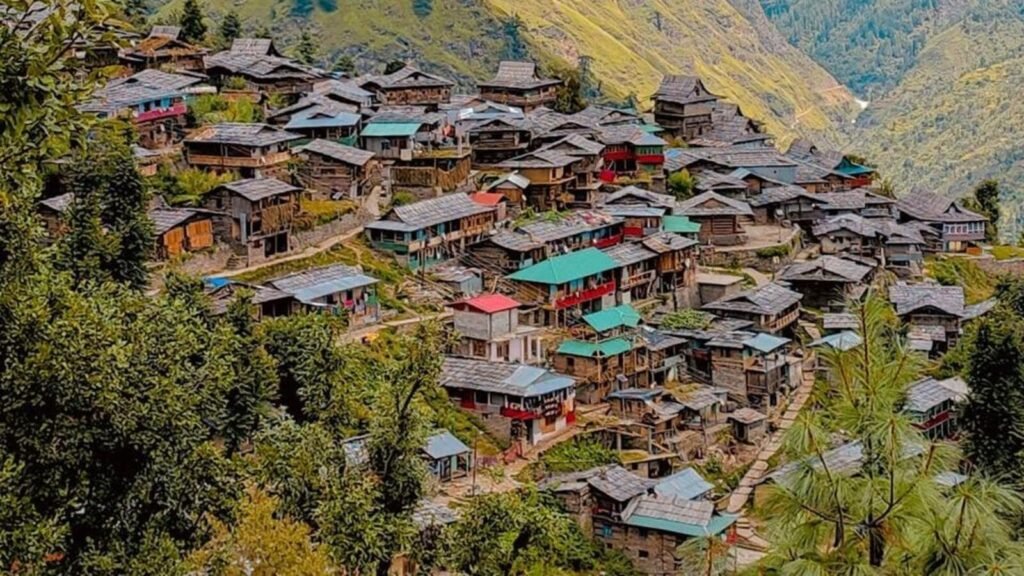
Narkanda is part of the traditional cultural landscape of upper Shimla, where village life, agriculture, horticulture, temples, and seasonal festivals remain important.
The surrounding communities are strongly connected with apple cultivation and farming, while traditional wooden architecture can still be seen in older villages and temples. Local religious traditions include worship at village and mountain temples, and Nati, the traditional Himachali folk dance, is commonly performed during festivals and celebrations.
Weather in Narkanda
Spring
2°C to 18°C
Summer
10°C to 25°C
Monsoon
12°C to 22°C
Autumn
5°C to 20°C
Winter
-5°C to 10°C
Unique Facts About Narkanda
Narkanda Is a Major Apple-Growing Region
The surrounding upper Shimla region is famous for apple cultivation. Orchards around Kotgarh, Thanedar and Narkanda are an important part of the local economy.
Hatu Peak Is Much Higher Than Narkanda
Narkanda sits at around 2,700 metres, while Hatu Peak rises to approximately 3,400 metres, making the summit considerably higher than the town.
It Is a Traditional Skiing Destination
Narkanda has long been associated with winter skiing, making it one of the established snow destinations in Himachal Pradesh.
Narkanda Is on the Kinnaur Route
Its position on NH-5 makes Narkanda an important stop for travelers heading from Shimla toward Rampur and Kinnaur.
It Offers a Quieter Alternative to Shimla
Narkanda generally has a much smaller and quieter tourist environment than Shimla, making it attractive for travelers looking for forests, snow, orchards, and mountain scenery.
Where to Find Snow in Narkanda?
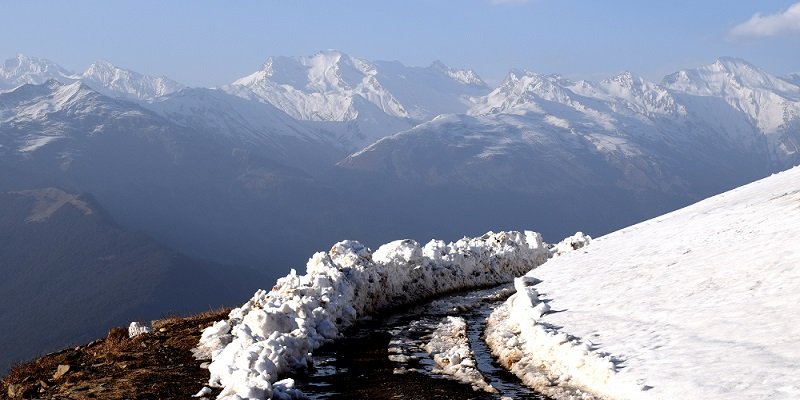
Narkanda is one of the better-known winter destinations near Shimla and can receive snowfall between December and February, although snowfall varies each year.
The slopes around Hatu Peak and Narkanda can become snow-covered during suitable winter conditions. Travelers looking specifically for snow should check recent snowfall and road conditions before traveling because snow cover is not guaranteed on fixed dates.
Offbeat Places Near Narkanda
Kotgarh
Located near Narkanda, Kotgarh is a peaceful apple-growing region known for orchards, traditional villages, and mountain scenery.
Thanedar
Thanedar is a quiet hill settlement near Kotgarh surrounded by forests and apple orchards. It offers a more peaceful alternative to the busier tourist destinations around Shimla.
Tani Jubbar
The area around Tani Jubbar Lake offers quiet forest surroundings and mountain views away from the main Narkanda market.
Kumarsain
A historic hill settlement located on the route toward the upper Sutlej region, surrounded by forests, orchards, and mountain villages.
Matiana
A small settlement on the Shimla–Narkanda route surrounded by forests and apple-growing areas.
Essential Travel Tips for Narkanda
Check the weather and road conditions before traveling, particularly during winter and monsoon.
Carry warm clothing during winter; temperatures can fall below freezing.
If visiting Hatu Peak in winter, use proper footwear because snow and ice can make the road and trail slippery.
Do not assume snowfall will be present throughout December–February; it varies each year.
Respect local temples and remove footwear where required.
Avoid entering private apple orchards without permission.
Drive carefully on mountain roads, especially around bends and during snowfall.
Keep some cash available for small local businesses.
Avoid littering in forests, around Hatu Peak, and near Tannu Jubbar Lake.
If continuing toward Kinnaur, check road conditions and allow sufficient travel time.
Narkanda is a hill town in Shimla district, Himachal Pradesh, on NH-5 between Shimla and the upper Sutlej/Kinnaur region.
2. How far is Narkanda from Shimla?
Narkanda is approximately 60–65 km from Shimla by road.
3. What is Narkanda famous for?
Narkanda is known for Hatu Peak, Hatu Temple, apple orchards, skiing, snowfall, deodar forests, and mountain scenery.
4. Does Narkanda receive snowfall?
Yes. Narkanda commonly receives snowfall during winter, particularly from December to February, although the amount and timing vary each year.
5. What is the best time to visit Narkanda?
April to June is good for pleasant weather and outdoor exploration, September to November for clear mountain scenery and autumn landscapes, and December to February for snow, subject to actual snowfall and road conditions.
6. How far is Hatu Peak from Narkanda?
Hatu Peak is approximately 7–8 km by road from Narkanda, depending on the exact route and starting point. The final approach to the summit can also be explored on foot.
7. What can I see near Narkanda?
Popular places include Hatu Peak, Hatu Temple, Tannu Jubbar Lake, Kotgarh, Thanedar, and the surrounding apple-growing villages.
8. Is Narkanda worth visiting?
Yes. Narkanda is a good choice for travelers who want snow, forests, apple orchards, mountain views, trekking, and a quieter alternative to the more crowded tourist areas around Shimla.

 Shimla, Kufri, Narkanda, Baghi, Rohru, Jubbal, Kharapathar, Kotkhai, Theog
 6 Night 7 Days