
Best Time to Visit Shimla
A practical seasonal guide to help you plan your Shimla trip at the right time.
The best time to visit Shimla depends on the experience you want from your trip. Summer is popular for comfortable sightseeing and escaping the heat of the plains, monsoon brings lush green landscapes but can make mountain travel more unpredictable, autumn offers cooler weather and clearer conditions, while winter attracts travellers looking for cold weather and the possibility of snowfall.
If you’re planning to combine Shimla with Manali, you can also explore our Shimla Manali 5N 6D Package.
Best Time to Visit Shimla Based on Travel Style
There is no single best month to visit Shimla for everyone. Your ideal travel period depends on what you want to see and how you prefer to travel.
Best Time for Snowfall in Shimla
December to February is generally the period considered by travellers hoping to experience snowfall in Shimla. However, snowfall varies from year to year and is not guaranteed on a particular date.
If snowfall is the main reason for your trip, check the latest weather forecast and local road conditions shortly before travelling. Kufri and other higher areas around Shimla can also experience different conditions from the main town.
Best for
Snow lovers and winter travellers.
💡 Local Expert Tip
If snow is your main priority, keep your travel dates flexible rather than booking your entire trip around a specific snowfall prediction. Check current conditions shortly before departure.
If you’re planning a winter trip specifically around snowfall, you can also explore our guide to 20 Places to Visit in Shimla in Winter.

Best Time for Sightseeing in Shimla
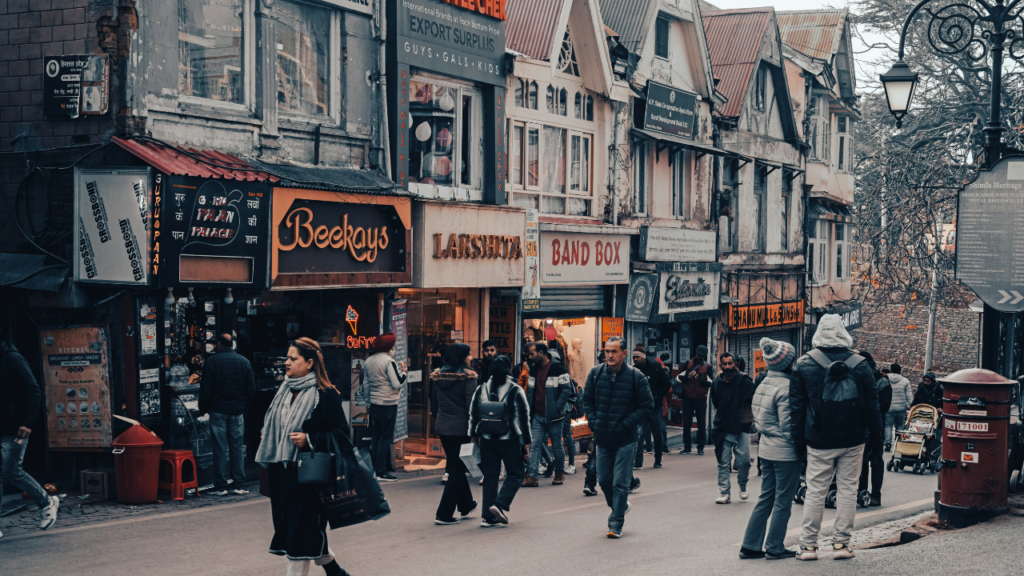
March to June generally offers comfortable conditions for sightseeing. This is a good period to explore attractions such as The Ridge, Mall Road, Christ Church, Jakhu Temple and nearby destinations.
May and June are particularly busy because of summer holidays, so travellers looking for a quieter experience may prefer March, April or the autumn months.
Best for
First-time visitors, families and sightseeing.
💡 Local Expert Tip
Start your sightseeing early and group attractions that are close to each other. This can help you spend less time in traffic and more time exploring.
Best Time for a Family Trip to Shimla
March to June can be a convenient period for families because daytime conditions are generally comfortable and most popular attractions are accessible.
Winter can also be enjoyable for families interested in experiencing cold weather or possible snowfall, but children and older travellers should be prepared for colder conditions and potential travel delays during snowfall.
Best for
Family holidays and first-time visitors.
💡 Local Expert Tip
Don’t make the itinerary too packed. Leave enough time for breaks, meals and unexpected traffic, especially when travelling with children or older family members.
Best Time for Couples to Visit Shimla
Couples can enjoy Shimla throughout the year, depending on the type of experience they want.
October to February can appeal to couples looking for cooler weather and a quieter mountain atmosphere, while March to June is more comfortable for spending time outdoors and exploring the surrounding areas.
Best for
Couples, scenic stays and relaxed sightseeing.
💡 Local Expert Tip
Consider spending part of your trip away from the busiest central areas. A quieter destination around Shimla can give you more time to enjoy the mountain environment at a relaxed pace.

Best Time for Offbeat Travel in Shimla
If you want to explore offbeat places near Shimla rather than staying only around Mall Road and the main tourist attractions, consider March–April or October–November.
These periods can provide a good balance between comfortable travel conditions and a quieter atmosphere. If you plan to visit remote or less-developed areas, always check local road and weather conditions before travelling.
Best for
Slow travellers, nature lovers and travellers looking for quieter mountain experiences.
💡 Local Expert Tip
Don’t try to cover too many offbeat destinations in one day. Some locations require more travel time than their distance on the map suggests because of mountain roads.
For more ideas beyond the usual tourist circuit, explore our 24 Offbeat Places Near Shimla.
Best Time for Photography in Shimla
October and November can be good months for photography because of cooler conditions and generally clearer post-monsoon weather. Spring can also be attractive as the landscape begins to become greener.
Winter offers a completely different photographic experience when snowfall occurs, but weather and visibility can change quickly.
Best for
Landscape photography and mountain views.
Best Season to Visit Shimla
Shimla in Spring – March to April
Spring is a pleasant transition period in Shimla as winter gradually gives way to warmer days. Mornings and evenings can still be cool, while daytime conditions become more comfortable for walking and sightseeing.
The surrounding hills begin to become greener, making this a good period for travellers who want to explore Shimla and nearby destinations without the peak summer crowds.
March can still feel quite winter-like at times, particularly during mornings and evenings, while April generally becomes more comfortable for outdoor sightseeing.
Crowd Level
Low to Moderate
Safety
Generally safe for sightseeing. Temperatures can still be cool, particularly in the morning and evening, so carry suitable layers. Normal precautions for mountain travel are recommended.
Best for
Sightseeing, families, couples, nature lovers and travellers who prefer moderate crowds.

Shimla in Summer – May to June
Summer is one of the busiest travel seasons in Shimla. Visitors from the plains come to the hills to escape the intense summer heat, and the city’s major tourist areas can become particularly busy during school holidays, weekends and long weekends.
Daytime weather is generally comfortable compared with many parts of northern India’s plains, making this a popular season for sightseeing, shopping and exploring nearby destinations such as Kufri.
Because summer is a peak travel period, accommodation and transportation can become more expensive or harder to arrange during periods of high demand.
Crowd Level
High
Safety
Generally safe for tourists. Allow extra time for traffic and book accommodation and transportation in advance during peak periods.
Best for
Family vacations, first-time visitors, sightseeing and escaping the summer heat.
💡 Local Expert Tip
Start your sightseeing early in the morning, particularly if you are visiting popular attractions. This can help you make better use of your day before traffic and crowds increase.
Shimla in Monsoon – July to September
Monsoon brings frequent rainfall to Shimla and transforms the surrounding hills into lush green landscapes. Mist, clouds and wet mountain forests can create a very different atmosphere from the busy summer season.
However, the monsoon also requires more flexibility. Heavy rainfall can affect visibility, road conditions and travel plans, and hill roads in the wider region can be affected by landslides or other weather-related disruptions.
If you enjoy greenery and don’t mind changing your plans according to the weather, monsoon can be a peaceful time to visit Shimla.
Crowd Level
Low to Moderate
Safety
Generally safe for sightseeing. Carry warm layers as temperatures become colder towards November.
Best for
Nature lovers, photographers and travellers looking for a quieter trip.
💡 Local Expert Tip
Keep one or two indoor or central Shimla attractions as backup options. This gives you flexibility if rain makes a planned outdoor visit difficult.
Shimla in Autumn – October to November
Autumn is one of the most comfortable periods for travellers who prefer cooler weather and a relatively peaceful atmosphere.
After the monsoon, conditions generally become drier and clearer, making it a good time for sightseeing and enjoying mountain views. October usually remains more comfortable for outdoor activities, while November becomes noticeably colder, particularly in the mornings and evenings.
This is also a good period to explore beyond the busiest parts of Shimla and visit nearby destinations.
Crowd Level
Low to Moderate
Safety
Generally safe for sightseeing. Carry warm layers as temperatures become colder towards November.
Best for
Photography, couples, nature lovers, sightseeing and peaceful mountain trips.
Shimla in Winter – December to February
Winter is the season that attracts travellers hoping to experience cold weather and snowfall. Shimla can receive snowfall during winter, but the timing and amount vary from year to year.
December marks the beginning of the colder season, while January and February can bring some of the coldest conditions. When snowfall occurs, roads, walking surfaces and higher areas can become slippery, and travel times can increase.
If your main goal is to experience snow, don’t plan your entire trip around a guaranteed snowfall date. Check current weather conditions before travelling and remain flexible with your itinerary.
Crowd Level
Moderate to High when snowfall is expected
Safety
Extra caution is required during and after snowfall. Wear appropriate footwear, check road conditions and allow additional travel time.
Best for
Snow lovers, winter travellers, couples and photographers.
💡 Local Expert Tip
During snowfall, avoid trying to cover too many places in one day. Give yourself extra travel time and confirm road conditions before heading towards Kufri or other higher areas.

Best Time to Visit Shimla Month by Month
January – Coldest Winter Experience
January is one of the coldest periods of the year in Shimla and falls in the heart of the winter season. Travellers visit during this month for the possibility of snowfall and the cold mountain atmosphere.
Snowfall is not guaranteed throughout January, so check current weather conditions before travelling if snow is your main reason for visiting.
Weather
Very cold, freezing conditions are possible
Crowd Level
Moderate, increasing when snowfall is expected
Safety
Take extra care on slippery roads and walking surfaces during and after snowfall. Check road conditions before travelling to higher areas.
Best for
Snow lovers and winter experiences.
February – Winter with a Gradual Seasonal Change
February remains cold, but the season gradually begins moving towards spring. Winter conditions can still occur, particularly during colder periods.
It can be a good choice for travellers who want a winter atmosphere while avoiding some of the peak holiday crowds associated with the Christmas and New Year period.
Weather
Cold
Crowd Level
Moderate
Safety
Generally safe, but winter conditions can still affect roads and higher areas. Check conditions before travelling during periods of snowfall.
Best for
Winter trips, couples and travellers looking for a quieter experience.
March – Beginning of Spring
March marks the transition from winter towards spring. Daytime conditions generally become more comfortable, although mornings and evenings can remain cold.
It is a good month for travellers who want to explore Shimla’s attractions and surrounding areas without the heavy summer crowds.
Weather
Cool to pleasant
Crowd Level
Low to Moderate
Safety
Generally safe for sightseeing. Carry warm layers because temperatures can still be cold at certain times of day.
Best for
Sightseeing, nature and peaceful travel.
💡 Local Expert Tip
March can be a good time to combine central Shimla sightseeing with quieter nearby destinations before the summer tourist season becomes busier.
April – Pleasant Spring Weather
April is generally a pleasant month for visiting Shimla. Spring landscapes become more noticeable and daytime conditions are suitable for exploring the city and nearby destinations.
The combination of comfortable weather and moderate visitor numbers makes April one of the more balanced months for a Shimla trip.
Weather
Pleasant
Crowd Level
Moderate
Safety
Generally safe for sightseeing and outdoor activities. Check weather conditions before travelling to higher or remote areas.
Best for
Families, couples, sightseeing and nature.

May – Start of Peak Summer Travel
May marks the beginning of the main summer travel period. As temperatures rise across the plains, Shimla becomes increasingly popular with holidaymakers.
The weather is generally comfortable for sightseeing, but visitor numbers can increase significantly, especially around weekends and holidays.
Weather
Mild to pleasant
Crowd Level
High
Safety
Generally safe. Expect increased traffic and busy tourist areas during peak periods.
Best for
Family holidays, sightseeing and escaping the heat.
June – Busy Summer Season
June is one of the busiest months for tourism in Shimla. School and summer holidays bring large numbers of visitors, particularly during weekends and long holiday periods.
The weather remains suitable for sightseeing, but traffic and crowds can affect how quickly you move between attractions.
Weather
Mild to pleasant
Crowd Level
High
Safety
Generally safe. Plan your transportation in advance and allow additional time for traffic.
Best for
Summer holidays, families and sightseeing.
💡 Local Expert Tip
Book your accommodation in advance and give yourself extra time for road journeys. Popular tourist areas can take longer to navigate during peak summer.
July – Beginning of the Monsoon
July brings the monsoon season to Shimla, with rainfall becoming more frequent. The hills become greener and the atmosphere can be cooler and quieter than during peak summer.
Rain can, however, affect outdoor plans and mountain road travel.
Weather
Cool and rainy
Crowd Level
Low to Moderate
Safety
Extra caution is advised during heavy rainfall. Check weather and road conditions before travelling.
Best for
Green landscapes, nature lovers and peaceful trips.
August – Greenest Monsoon Period
August generally remains within the monsoon season and can bring frequent rainfall. The surrounding hills can look particularly lush and green during this period.
Travellers should be prepared for wet conditions and the possibility of changes to outdoor plans.
Weather
Rainy and cool
Crowd Level
Low to Moderate
Safety
Take care during heavy rain and avoid unnecessary travel when weather conditions are severe. Check local road conditions before travelling.
Best for
Nature lovers and travellers who enjoy the monsoon atmosphere.
September – End of the Monsoon Season
September can offer a transition from the wetter monsoon period towards the clearer conditions of autumn. Rain can still occur, particularly earlier in the month.
The hills remain green, and visitor numbers are generally lower than during the summer peak.
Weather
Cool with possible rain
Crowd Level
Low to Moderate
Safety
Generally safe, but continue checking weather and road conditions when rainfall is forecast.
Best for
Green landscapes, photography and quieter travel.
October – Clearer Autumn Conditions
October is often a comfortable period for visiting Shimla. The monsoon season has generally eased, bringing cooler conditions and opportunities for clearer mountain views.
It is a particularly good option for travellers who want to explore the city and nearby destinations without the peak summer crowds.
Weather
Cool and pleasant
Crowd Level
Low to Moderate
Safety
Generally safe for sightseeing and nearby travel. Carry a light warm layer for cooler mornings and evenings.
Best for
Sightseeing, photography, couples and peaceful travel.
November – Beginning of Winter
November brings noticeably colder conditions, particularly in the mornings and evenings. Visitor numbers are generally lower than during the summer season.
If you enjoy cool mountain weather and want a quieter trip, November can be a good month to visit before the main winter period begins.
Weather
Cool to cold
Crowd Level
Low to Moderate
Safety
Generally safe. Carry warm clothing and be prepared for colder conditions.
Best for
Couples, photographers, peaceful trips and offbeat travel.
December – Start of the Winter Season
December marks the beginning of winter in Shimla. Temperatures become significantly colder, and snowfall is possible, although it cannot be guaranteed on specific dates.
The Christmas and New Year period can bring a significant increase in visitors, so accommodation and transportation should be planned well in advance if you are travelling around the holidays.
Weather
Cold, snowfall is possible
Crowd Level
Moderate to High, particularly around Christmas and New Year or when snowfall is expected
Safety
Take extra care during snowfall and check current road conditions before travelling.
Best for
Winter experiences, couples, Christmas and New Year trips.
💡 Local Expert Tip
If you’re visiting around Christmas or New Year, book early and expect busier roads and tourist areas. If snow is your priority, keep your expectations flexible because snowfall is weather-dependent.
Is Shimla Safe to Visit Throughout the Year?
Shimla is generally considered a safe destination for tourists, but the main safety considerations change with the season.
During summer, the biggest practical issues are generally crowds and traffic, particularly around popular tourist areas.
During the monsoon, heavy rainfall can affect visibility and mountain roads. Check the latest weather and road conditions before travelling outside the city.
During winter, snowfall can make roads and walking surfaces slippery and can increase travel times. Carry suitable winter clothing and footwear and check current conditions before heading towards higher areas.
If you are exploring offbeat or isolated destinations near Shimla, avoid unfamiliar isolated areas after dark, travel with reliable transportation and let someone know your route.
Which Month Is Best for Shimla?
The answer depends on your travel style:
- For snowfall: December to February, subject to weather conditions
- For comfortable sightseeing: March to June
- For families: March to June
- For quieter sightseeing: March–April and October–November
- For green landscapes: July to September
- For photography: October–November, with winter offering a different experience when snowfall occurs
- For offbeat travel: March–April and October–November
For a balanced first-time trip, April, October and November can be particularly appealing because they combine relatively comfortable sightseeing conditions with a quieter atmosphere than the peak summer season.
Plan Your Shimla Trip
Choosing the best time to visit Shimla is only the first step in planning your trip. Once you decide when to travel, choose your places according to the season and the type of experience you want.
If you’re planning a short trip, our Shimla Itinerary for 2 Days can help you decide how to use your time efficiently.
For a complete overview of the destination, continue to our Shimla Travel Guide, covering places to visit, things to do, weather, travel information and other useful planning information.
If you prefer a planned trip with transportation, accommodation and sightseeing arranged for you, explore our Shimla Tour Packages.
Send Us An Inquiry

Author’s Note
I’ve created this guide to help travellers choose the best time to visit Shimla based on their travel style and the experience they want.
From my experience exploring Shimla, I also recommend going beyond the popular tourist spots and giving some quieter places a chance. They can offer the peace and mountain experience many travellers are looking for.
— Lakshay Bramta, Founder, GhumneChlo.com
Shimla Tour Packages You Also Like
 Visit Shimla, Mountains, Kufri, Himachal Pradesh, India
 2 Night 3 Days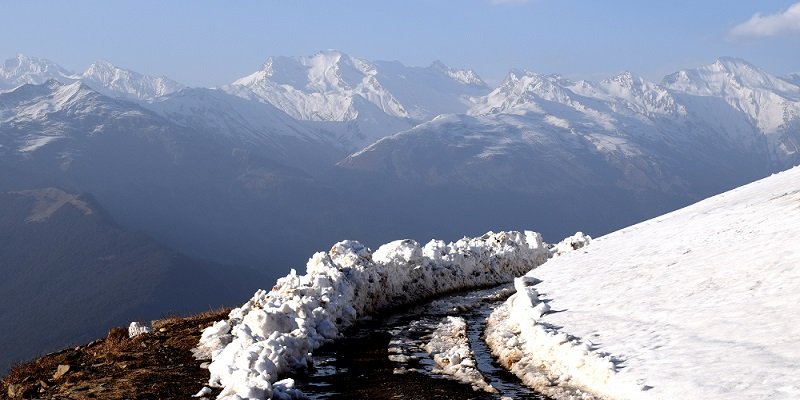
Quick FAQs
1. What is the best time to visit Shimla?
The best time to visit Shimla depends on your preferences. March to June is popular for comfortable sightseeing, October to November offers cooler weather and a quieter atmosphere, while December to February is preferred by travellers looking for winter conditions and the possibility of snowfall.
2. Which month is best for snowfall in Shimla?
December to February is generally the period considered for snowfall, but snowfall varies from year to year and cannot be guaranteed on a specific date.
3. Is Shimla good to visit in summer?
Yes. Summer is one of the most popular seasons to visit Shimla because the weather is generally comfortable compared with the plains. However, tourist areas can be crowded during school holidays and weekends.
4. Is monsoon a good time to visit Shimla?
Monsoon can be a good time for travellers who enjoy greenery and quieter surroundings. However, rainfall can affect sightseeing and mountain road travel, so checking weather and road conditions is important.
5. Is November a good time to visit Shimla?
Yes. November can be a good choice for travellers who prefer cooler weather and fewer crowds. It is colder than October, particularly during mornings and evenings.
6. How many days are enough for Shimla?
Two days can cover many of Shimla’s major attractions, while three or more days give you more time to explore nearby and offbeat destinations without rushing.