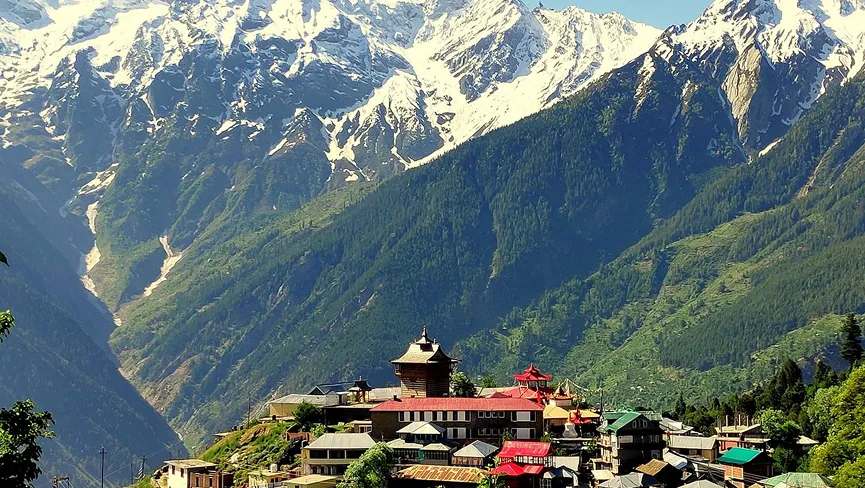
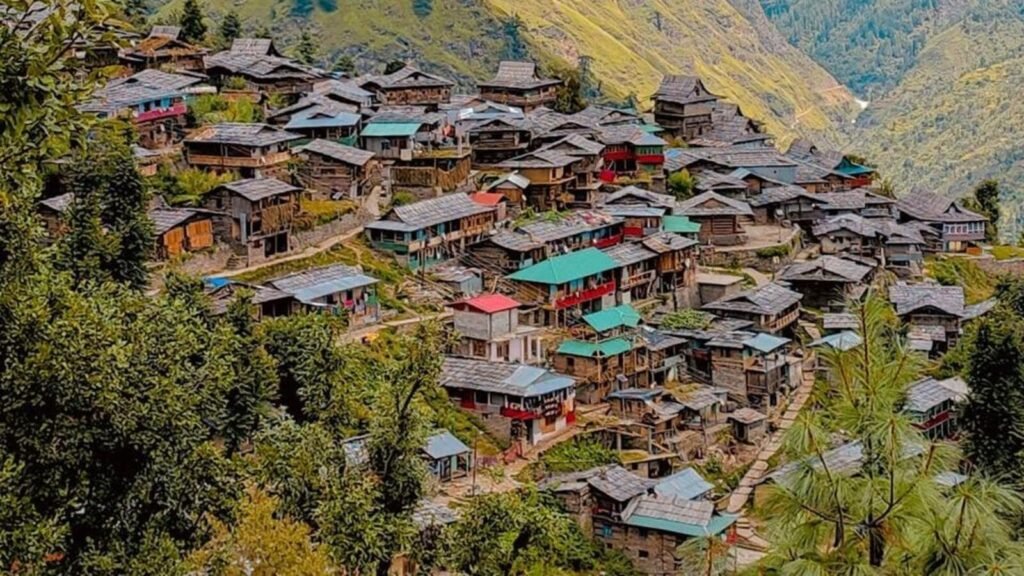
Jalori Pass is one of the most scenic mountain passes in Himachal Pradesh, located in the Kullu district at an altitude of approximately 3,120 metres (10,236 feet) above sea level. Connecting the Banjar Valley with the Ani region, the pass is surrounded by dense oak, pine, and deodar forests, offering spectacular views of the Himalayan ranges. Unlike many popular tourist destinations, Jalori Pass remains peaceful and is a favourite among nature lovers, trekkers, photographers, and road-trip enthusiasts.
The pass serves as the starting point for the famous Serolsar Lake Trek and provides easy access to nearby villages such as Jibhi, Shoja, and Chehni Kothi. Whether you’re looking for adventure, scenic landscapes, or a quiet escape into nature, Jalori Pass is one of the finest offbeat destinations in Himachal Pradesh.
Nearest Railway Station: Joginder Nagar Railway Station
Best Time to Visit Jalori Pass
The best time to visit Jalori Pass is from April to June and September to November, when the weather is pleasant and the roads are generally open. During spring and summer, the surrounding forests are lush green, wildflowers bloom along the trails, and the weather is ideal for trekking and sightseeing. Autumn offers crystal-clear skies and breathtaking mountain views.
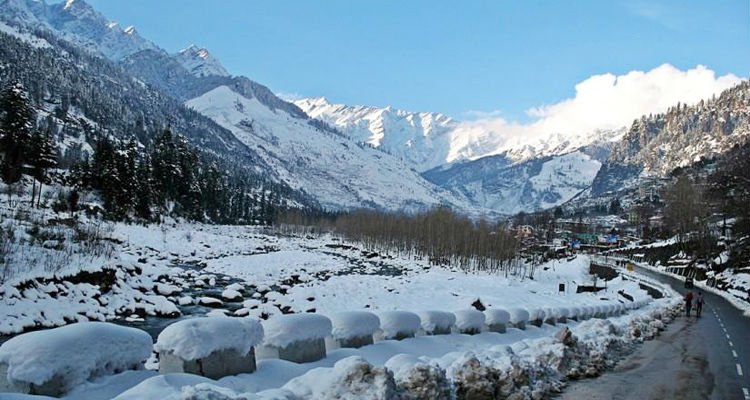
During winter (December to February), Jalori Pass receives heavy snowfall and often becomes inaccessible due to snow accumulation. Travelers planning a winter trip should check road conditions before visiting. The monsoon season (July to August) brings fresh greenery but can also cause slippery roads and occasional landslides.
The summit of Jalori Pass offers breathtaking panoramic views of the surrounding Himalayan mountains, dense forests, and deep valleys.
Serolsar Lake
Located around 5 km from Jalori Pass, Serolsar Lake is one of the most beautiful alpine lakes in Himachal Pradesh. The easy trek passes through dense oak forests and offers stunning scenery throughout the journey.
Raghupur Fort
A scenic trekking destination located near Jalori Pass, Raghupur Fort offers panoramic views of the Great Himalayan ranges and the remains of an old fort built during the former Bushahr State.
Shoja Village
A peaceful Himalayan village located below Jalori Pass, Shoja is known for its forests, viewpoints, waterfalls, and traditional mountain charm.
Jibhi
Just a short drive away, Jibhi is a picturesque village famous for wooden cottages, waterfalls, riverside cafés, and a relaxing atmosphere.
Things to Do in Jalori Pass
Jalori Pass is perfect for nature lovers and adventure enthusiasts. Visitors can enjoy the trek to Serolsar Lake, hike to Raghupur Fort, experience snowfall during winter, admire breathtaking mountain views, capture stunning photographs, and explore nearby villages like Jibhi and Shoja. Camping, birdwatching, forest walks, and scenic road trips are among the most popular activities.
How to Reach Jalori Pass ?
Jalori Pass is easily accessible by road from major towns in Himachal Pradesh.
Travelers coming from Manali can reach Jalori Pass via Kullu and Banjar.
Nearest Airport
Kullu–Manali Airport (Bhuntar) – approximately 55 km away.
Nearest Railway Station
Joginder Nagar Railway Station is the nearest railway station, while Chandigarh Railway Station offers better connectivity.
Local Culture
The villages surrounding Jalori Pass are home to warm and welcoming Himachali communities. Agriculture, apple orchards, livestock farming, and tourism are the main sources of livelihood. Visitors can experience traditional Kath-Kuni architecture, ancient temples, local festivals, and the famous Himachali Nati dance, reflecting the rich culture of the Banjar Valley.
Weather in Jalori Pass
Spring
5°C to 18°C
Summer
10°C to 22°C
Monsoon
8°C to 18°C
Autumn
2°C to 16°C
Winter
-8°C to 8°C
Where to Find Snow in Jalori Pass ?
Jalori Pass is one of the best places near Jibhi to experience snowfall. Snow generally begins in late December and continues until February, although snow can sometimes remain on the roadside into early spring. During periods of heavy snowfall, the pass may be temporarily closed for safety reasons.
Nearby Places to Visit
Serolsar Lake
A crystal-clear alpine lake surrounded by dense oak forests and one of the most popular trekking destinations in the region.
Jibhi
A charming mountain village known for waterfalls, wooden cottages, riverside cafés, and peaceful surroundings.
Shoja
A quiet hill village offering panoramic viewpoints, forest trails, and beautiful Himalayan scenery.
Raghupur Fort
An easy-to-moderate trek leading to the ruins of an ancient fort with spectacular mountain views.
Chehni Kothi
A historic stone-and-wood tower showcasing traditional Kath-Kuni architecture and the rich heritage of Banjar Valley.
Tirthan Valley
A beautiful valley famous for the Tirthan River, trout fishing, trekking, and the Great Himalayan National Park.
Essential Travel Tips for Jalori Pass
Visit between April and June or September and November for the best weather.
Carry warm clothing, even during summer, as temperatures can drop quickly.
Wear comfortable trekking shoes if visiting Serolsar Lake or Raghupur Fort.
Check road conditions before traveling during winter.
Carry cash, as ATM facilities are limited in nearby villages.
Drive carefully on narrow mountain roads.
Stay hydrated while trekking.
Respect local customs and natural surroundings.
Avoid littering and help preserve the forests.
Start early to enjoy clear weather and avoid afternoon fog.
Jalori Pass is located in the Kullu district of Himachal Pradesh, connecting the Banjar Valley with the Ani region.
2. What is Jalori Pass famous for?
Jalori Pass is famous for its scenic mountain views, Serolsar Lake Trek, Raghupur Fort Trek, snowfall, and peaceful surroundings.
3. What is the altitude of Jalori Pass?
Jalori Pass is situated at approximately 3,120 metres (10,236 feet) above sea level.
4. What is the best time to visit Jalori Pass?
The best time to visit is from April to June and September to November.
5. Does Jalori Pass receive snowfall?
Yes. Jalori Pass receives heavy snowfall from late December to February, and the road may close temporarily during heavy snow.
6. Is Jalori Pass suitable for beginners?
Yes. The pass is accessible by road, and the trek to Serolsar Lake is considered easy to moderate, making it suitable for most visitors.
7. What are the nearby attractions?
Popular nearby attractions include Serolsar Lake, Raghupur Fort, Jibhi, Shoja, Chehni Kothi, and Tirthan Valley.
8. Is Jalori Pass worth visiting?
Absolutely. Jalori Pass is one of Himachal Pradesh’s most scenic mountain passes, offering breathtaking Himalayan views, beautiful trekking trails, dense forests, snowfall in winter, and easy access to several offbeat destinations.

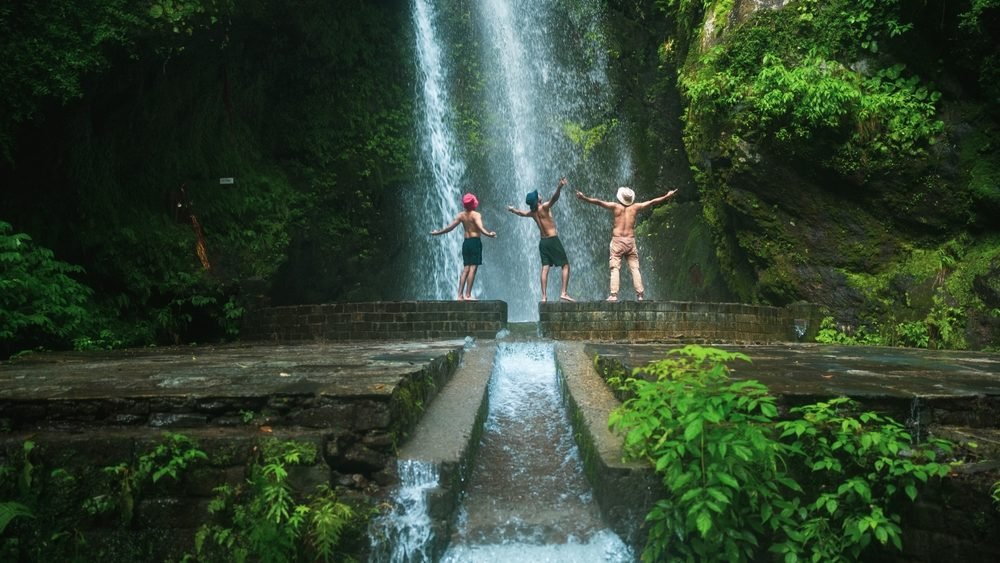
 Jibhi, Jalori Pass,
  3 Night 4 Days